Highest Voted Nominees (So far...) (Note: These founders have not committed, this just represents nominations)
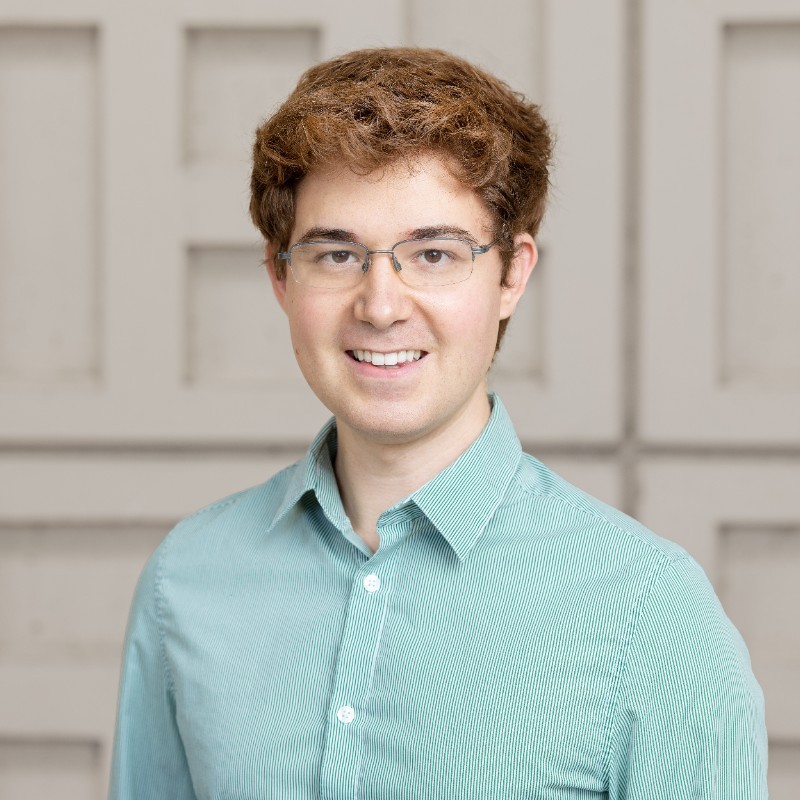
Eric McShane
CEO, Electroflow

No items found.

Eric McShane spent a decade in battery research before discovering, during his Stanford postdoc, that startups were the path he had been looking for all along. Together with co-founder Evan, he launched Electroflow in San Bruno to tackle one of the most consequential supply chain problems in modern energy: producing lithium iron phosphate, or LFP, the cheapest and most widely used battery electrode material on the planet. LFP goes into over half of all batteries produced today and 99% of it is manufactured in China. Electroflow's core innovation is a three-step process that produces LFP directly from lithium-containing brine waste streams, replacing the traditional 10-step method that relies on vast evaporation ponds and months of lead time. The target production cost is $3,000 per ton, half the current Chinese market price of $6,000.
Fresh off a $10 million seed round and just over two years removed from a napkin sketch, Electroflow is weeks away from deploying its first full-scale electrochemical stack at a real brine site. The demand picture behind that milestone is staggering: Eric projects a 40X increase in global battery capacity between now and 2040, driven by grid and data center storage, electric vehicles, and what he calls the most underappreciated demand signal on the horizon: billions of humanoid robots. The episode goes beyond the technology to cover the equally demanding work of building the company, including how scientists-turned-founders need to rewire their pitch instincts, why over-secrecy about your idea harms more than it protects, and how the WHO hiring method helped Electroflow scale to 16 people without a single firing. The crew has barely lifted anchor.
"This absolutely crucial material is 99% made in China. LFP is going in over half of every battery that comes off the line today and is 99% made in China."
"Between now and 2040, we estimate you're going to need 40X more battery capacity, the vast majority of which will be LFP battery capacity."
"I think there's going to be billions, with a B, robots. All of them need a battery. That is the beating heart of all these robots."

Mat Vogels (00:14)
everybody, welcome to another episode of Pirates Only, a podcast where we interview top early stage founders and ask them the questions on how they're changing the world, what they're building, and then also some advice for some of the founders that might be listening that wanna follow in their footsteps. I have a, I would say a good friend.
but also portfolio company, Eric from Electroflow, co-founder and CEO of Electroflow. Thank you for being on today. For folks listening, we know we like to dive right in. Could you start by giving us a quick introduction of what Electroflow is building in the most simple terms possible?
Eric McShane (00:53)
Sure thing. Great to be on with you, Mattie V. At Electroflow, we are building a system to make battery electrode materials, specifically this material called lithium iron phosphate, or LFP for short. And we do it all from one integrated process, starting from this lithium-containing salt water called a brine. And essentially, we get these brines, these salt waters, from waste streams. So think like oil gas water, geothermal water.
Mat Vogels (00:56)
Yes.
Eric McShane (01:19)
like other mineral extractions that have lithium in their waste stream, we take those, put it through our process, and we make LFP from that saltwater in just three steps. And this is really groundbreaking because when you think about how we can eventually make LFP.
from brine, it's more like 10 steps to go from that brine all the way to LFP. You make like a lithium chloride intermediate, all these other post-processing, finally get to LFP after 10 steps. So our mission is to unlock this crucial LFP electric material to make an energy abundant future. And happy to talk shop about that.
Mat Vogels (01:49)
I love that. Now,
is, so maybe for the audience here, what is LFP used in? Like what is the actual, why do we need it? What is the use for it?
Eric McShane (01:56)
Yeah, LFP
is an electrode material that goes into a lithium-ion battery.
So folks are probably familiar with lithium ion batteries. You got one in your pocket, like almost everyone has one in their iPhone. These days, oftentimes you have it in your car. EVs use lithium ion batteries. And increasingly, big use cases for lithium ion batteries are for storage of energy on the grid to sort of even out seasonality. And also for like upcoming stuff like drones and robots, all of those are gonna use lithium ion batteries as well. An LFP among the existing electrode materials that could be used for lithium ion batteries
is a pretty awesome material, if I do say so. It's by far the cheapest dollar per energy type material you can use in batteries these days. It's from very earth abundant stuff, iron and phosphate. I mean, these are very common minerals in the earth. Iron is actually the most common in earth. And the only critical mineral then is the lithium. And we're solving that by starting from these lithium containing salt waters, extracting that and making LFP out of that. So it's really important we make this LFP material at scale.
at a very low price point so we can put batteries everywhere and unlock really cheap abundant energy.
Mat Vogels (03:05)
Maybe I know the answer to this, but I the audience would appreciate it. How is LFP typically made today? Because I think that goes into why what you're doing is so important.
Eric McShane (03:11)
Hmm.
Sure thing.
To get the precursors for LFP, really the tough one to get oftentimes is the lithium precursor.
So to get that lithium precursor, specifically a lithium carbonate species, you often go to these naturally occurring saltwater brines. ⁓ Happens to be that in South America, they have the most lithium rich brines in the world. And you pump that brine up to this big, huge pond. Literally think like miles long ponds. And you just let that brine sit there and the sun evaporates the water. And after you let that sit long enough, you can pluck off like a lithium chemical from that.
And then that's not even the right chemical form yet. You got to do like all this post-processing to make it from lithium chloride to lithium carbonate. Finally, you have lithium carbonate after like six steps starting from that brine. And then from there, you got lithium carbonate. You add the iron and the phosphate with that and you mix that all up and you heat it up to like many hundreds of degrees Celsius. And after all those steps, total like 10 steps brine to LFP, you finally have an LFP electromaterial, which is really just like a black powder.
that can host lithium ions for use in batteries.
Mat Vogels (04:21)
So from a cost standpoint and a time standpoint, sounds like before what you've created here, it was both more expensive and takes longer, is that right?
Eric McShane (04:31)
That's right.
Yeah. So these big evaporation ponds I talked about, like you got to build that huge ponds and to get it to steady state is like over a year typically to get that thing actually operational. And then, you know, that just gets you a precursor to LFP. You're still not at LFP yet. You got to make a big factory that like adds the iron and the phosphate with the lithium and then make that all into LFP. So we're cutting that down both time-wise and cost-wise significantly with our process innovation.
Mat Vogels (04:58)
Is there
a number, multiple percent or something that you can share on what even maybe the ultimate goal would be?
Eric McShane (05:03)
Sure. Yeah,
absolutely. So these days, LFP is about $6,000 per ton.
If you buy it in the Chinese market where actually 99 % of LFP is made, which we can get into, I know, yeah, it's crazy. And our goal is to produce LFP at 50 % cheaper than that LFP currently made in China. Our goal is to get $3,000 per ton or less production cost of LFP to significantly undercut the existing market for LFP and just have it everywhere. Like once you're half as expensive, you can use it in many, many more applications.
Mat Vogels (05:41)
Did you say 99 % of it currently is from China? That is, that's not, that's a, yeah.
Eric McShane (05:45)
Yeah, that's right. Yeah. So this absolutely crucial material. Yeah,
this absolutely crucial material is 99 % made in China. This LFP material is going in over half of every battery that comes off the line today and is 99 % made in China. So, you know, beyond just like making it cheaper, we're also at least diversifying the supply chain a little bit beyond China to make this LFP material. Yeah.
Mat Vogels (06:07)
Yeah.
That's awesome. And obviously
creating it to a point where it's more accessible for us here in the United States as well. We definitely will dive into, because I'm always excited about the potential unlocks that new technologies like this creates. You already hinted that what happens, we make this cheaper and the things there. But before we go into that, I don't want to get too far ahead. Could you talk a little bit about why this, like why now? You mentioned all those things, but maybe why this, why now for you? So maybe touch a little bit on the founding story. What were you doing right before?
Eric McShane (06:16)
Yeah.
Yeah.
Mat Vogels (06:39)
this and decided that this is a problem that we need to solve and problem that I need to solve.
Eric McShane (06:45)
Absolutely.
So my background is in battery research. Like I had been doing battery research for about 10 years actually before spinning out the company. And yeah, over that time I just became super fascinated with the space. I started battery research in like 2014 or so and I was working on like next gen anode materials for batteries at the time, turns out. But what really caught my eye was like that was the super early days of Tesla. And I became kind of obsessed with Tesla. I followed that journey very closely.
and it was a lot of tenuous times along that path but ultimately now it's like one of the biggest success stories to come out of US companies in the past decade or so. So became kind of obsessed with batteries, really obsessed with EVs. I drive an EV today.
And then after 10 years of research, I thought actually my ultimate goal was going to be go be a professor and do some battery research and like change the world like that. But that all changed because ⁓ when I went to do my postdoc at Stanford, which was like supposed to be the last step before you like go apply to be a professor and then research batteries for the rest of your life. I for the first time when I went to Stanford as a postdoc, I actually learned what a startup was. And yeah, once I realized what it was, I was like, man.
That's actually what I wanted to do all along. Do something in the battery space that could move the needle, bring it to the real world, real people's hands on the road. And yeah, I just got super hooked. And I was lucky to meet my co-founder, Evan, when I joined that Stanford Postdoc lab as well. And we really hit it off, big battery nerds. And rest is history, kind of. Yeah.
Mat Vogels (08:14)
That should be on a shirt, Battery Nerds, because that's exactly right. I think you mentioned Tesla there too. think people forget that it, yeah. Well, and I called this out before we started recording. I think you are wearing one of the best swag shirts there too. We'll put a link in the bio to your shop that you can maybe use to raise your next round for. It'll be enough to raise.
Eric McShane (08:16)
Yeah. We're pretty good at the shirts thing. ⁓
Yeah.
Yeah, you know, just the company attire.
Yeah, sounds good.
Mat Vogels (08:39)
I think that people forget oftentimes that Tesla in a lot of ways, obviously they make cars and all these things, but their advancements are almost, not all, but some of the biggest ones are on the battery side. Like they figured out a way to create some of the best batteries in the world, which to your point earlier, when you can unlock better battery technology, you can unlock cars, robots, all the things that they are gonna be obviously going into. ⁓ How big is the team now?
Eric McShane (09:01)
Totally.
We got 16 people as of right now, which is pretty crazy because two years ago it was two people. So it's been an awesome journey, you know, in hiring all these folks. We have an awesome team. It's all engineers and chemists right now. And ⁓ yeah, we're bought in. We love this stuff.
Mat Vogels (09:05)
That's awesome. Yeah. Yeah.
And you were in the Bay Area, is that right?
Eric McShane (09:18)
Yep, yep, we're over in San Bruno by the SFO airport. We literally like, you look out the window, you see the planes taking off and landing every single day, Yeah.
Mat Vogels (09:24)
love it. Makes it easy. SFO is,
yeah, if you can get in and out of that airport, it's always for the better. And how much have you raised to this point?
Eric McShane (09:29)
Yep. Yep.
Yeah, we raised a $2.8 million pre-seed about two years ago, like late 2024. And then we just raised our $10 million seed rounds in late 2025, actually. So it's been awesome. Yeah, we're trying to move as fast as possible and, you know, like keep the momentum rolling.
Mat Vogels (09:44)
Awesome.
I love that. Congrats on that. We're obviously very big fans of that and excited to see how much you guys have done in such a short amount of time. You mentioned 16 people on the team side. I always feel like once you start getting into the mid teens, you probably feel this now. You actually kind of start feeling like a real company, ⁓ which is both stressful, but also exciting. Cause you can, especially if you hire really good people, which I know you have, things start to move very quickly and it becomes ⁓ very, very fun.
Eric McShane (10:06)
Yeah.
Yep, absolutely. Yeah, it's just kind of cool. Like, yeah, beyond building a product, making that bigger, like building the team and making that bigger and like seeing like the person to person interactions and like people are legitimately friends at the company and things like that. It's just a really awesome journey like in that regard. ⁓
Mat Vogels (10:31)
Yep, I love that. Let's
now dive a little bit into kind of the future forward predicting things. You mentioned, you what happens when this technology does allow a 50 % decrease in some of the technology to create more efficient, cheaper battery technology. mentioned in phones and drones, what are some of the things that you nerd out about, about what could potentially change as you continue to push this technology forward?
Eric McShane (10:52)
Hmm.
Totally. Yeah. The big one as of this exact moment is data center energy. I really think like the long-term solution for all these data centers is put solar wind and batteries and it can be off grid. No requirements that you're on grid as long as you have the backup storage, which is provided by the batteries. So that's absolutely crucial. Like we need so many more batteries and specifically LFP batteries too. Like LFP is the long cycle life, like cheap option for batteries.
And we need so many of them for gonna power all these data centers But beyond that like what I'm actually more excited about in the bit farther out future is all these robots Yeah, I think there's gonna be be billions with a B robots like in say, I don't know ten years Like these humanoid types like a bunch of companies are producing these all of them need a battery like that is like the beating heart of all these robots So we're gonna provide the materials for those two. It's gonna be freaking awesome
Mat Vogels (11:52)
What is, do you have an idea of like, I'm sure maybe you've ran some of the numbers. What does the demand look like for robots, electric cars, phones, all these things? mean, it's gotta be, you probably know the answer. What are we looking at as far as scale? And then the reason I ask it is, what does that mean then on our demand for the batteries then? Like it has to obviously be exponential too.
Eric McShane (12:04)
Yeah. Yeah.
Yeah,
yeah, stay tuned. I'm gonna write a sub stack post about this. the primer is, yeah, right? The primer is between now and 2040, we estimate you're gonna need 40X more battery capacity, the vast majority of which will be LFP battery capacity. So that's a pretty big number.
Mat Vogels (12:29)
40 times by 2040, is that what you said? Oh my goodness, that's like one of those things that humans are so bad at kind of grappling that like a multiple of 40. Maybe I'll put a graphic on right now that shows like an object that grows 40 times. That is huge. Is a lot of that from you think on the robotic side or where is the heaviest demand data centers obviously probably on there too, but what are some of the objects that you think are gonna be for the reason for that?
Eric McShane (12:32)
Yeah, that's right.
Yeah.
Yeah.
Yeah.
Yeah. Yeah.
Yeah, yeah. Data centers slash grid storage is a good portion. I don't know. Call it like 30, 40%. And then if we're right about this robot thing, like that I think is the long-term huge demand for batteries. Like if there's billions of robots with a B, like that's a lot of batteries. So yeah, I'm pumped about that. And I hope the future is like that because that'd be freaking awesome. So we need a lot of batteries for that.
Mat Vogels (13:01)
Okay.
What
do you mean by on the robotic side? Do you imagine it being mostly probably on the enterprise side or like factory and hard labor and those types of things? Or do you imagine it continuing to grow on the consumer side as well?
Eric McShane (13:26)
Mm-hmm.
Yeah,
I think the future I see is a lot of humanoid robots. So, you know, they could be like sort of enterprise type robots, like they'd walk around a factory and do useful stuff. Or it could be like they do your laundry or like they like clean the house or things like this. I think like both types will be very significant markets and all it requires batteries. Yeah.
Mat Vogels (13:54)
Are there any, obviously, ⁓ robotics and phones and all the things that we're using today, are there any other unlocks of technologies that maybe we're not even thinking about right now that having some of this increased battery output or cheaper battery output would be, I don't know, create?
Eric McShane (14:03)
Mmm. Mmm.
Sure,
there are, you know, like, think wearables are gonna be a really interesting thing.
Mat Vogels (14:14)
Hmm.
Eric McShane (14:16)
you know, whether it's to track fitness or like to monitor health conditions. Like these already exist, but once batteries are just truly everywhere and extremely cheap and very, very safe, like we can really expand the horizon on like what types of wearables we can work with. You've probably seen like these glasses and headsets and the Neuralink type stuff. Like those require a decent amount of power and you got to make sure those are extremely safe. You don't want any of those going bad. And you know, it's like kind of 24 seven if you're using stuff like that. So you need a decent amount of batteries for
that type of stuff as well.
Mat Vogels (14:47)
Is there a benefit,
I mean, with those devices you mentioned too, there's also a size component from a battery standpoint. Could you maybe educate the audience on what it means to create a battery that small? Because you're right, it's like a power size, all these combinations coming in together. Is that something I guess that your technology would also allow not only cheaper, but maybe cheaper in a smaller package with same output type of thing?
Eric McShane (15:06)
Hmm.
Yeah,
yeah, in general with batteries, there's always a trade-off of energy density versus like cycle life and safety. Usually if you have higher energy density, you have to have a trade-off of lower cycle life and less safe. LFP has... Sure. Yeah, yeah, the...
Mat Vogels (15:25)
Yep. Safe being like heat, like what does it mean by exploding, like those types of things, or what does the safety
piece kind of mean there?
Eric McShane (15:33)
Yeah,
the term in industry is thermal runaway, which essentially results in an explosion, which you certainly don't want. And LFP is a great material in that the risk of thermal runaway, these days especially, how highly it's engineered, is like de minimis at this point. LFP is extremely, extremely safe, which makes it very suitable for things like wearables where if anything goes wrong, that's a horrible outcome. And it has not as high energy density as like some other materials, but still very
competitive energy density. So you get the benefit of like very long cycle life, very safe with still like high energy density, although not the highest energy density you could get in an electric material.
Mat Vogels (16:12)
Yeah.
Would that be, I mean, I guess I'm trying to think of industries where you would need kind of the high, like his cars would be like a requirement for like high density for long range or what are some of those things that you'd really want high density versus, versus low.
Eric McShane (16:23)
Yeah, you can think of stuff like really heavy duty trucking. Probably makes sense to have a very high energy density because like every bit of weight matters. Stuff like...
Drones, to an extent, probably you want the high energy density stuff because it's hard to lift off when you have a heavy battery. And beyond drones, even stuff like so-called EV tolls, electric, vertical takeoff and landing devices, ⁓ those probably you want the high energy density stuff. And you're willing to live with the decreased safety and decreased cycle life in those particular applications.
Mat Vogels (16:34)
Yeah, true.
Yeah, yeah, yeah.
So you probably see, mean, especially being in the Bay Area, being in hard tech, I feel like we're in the middle of a renaissance right now. Could you talk a little bit about maybe some of the tangential industries or things that, I mean, you're in the thick of it, that you're excited about right now? Maybe talk a little bit about how fun it is to be a builder right now in your space and beyond.
Eric McShane (17:00)
yeah.
Yeah. Yeah, building
real stuff is super cool. Would highly recommend it to anyone.
Mat Vogels (17:16)
Yes
Eric McShane (17:18)
Like literally, you
know, uh, it's just like rewarding to see. I don't know. It was like a napkin sketch, like two and a half years ago that we were working with pretty much. And now it's like this big electrochemical cell stack to do lithium extraction. That's like bigger than me. So that's pretty awesome. Like building real stuff is super cool. Also like, yeah, just this idea of like making factories is like such like in the zeitgeist today is like so negative connotations, like make a factory or whatever. Uh, but it's super cool.
Like this this factory of today is like totally different than your grandfather's factory Like there's so much technology that goes into manufacturing and making real stuff That's just super fascinating and like along this journey. I've gotten to learn how stuff is made Which I don't know. It's like enriching my like daily life. Yeah That's right
Mat Vogels (18:03)
Yep. Cause you're required, you're building hardware and this kind of requires
you to figure out where each of those pieces come from.
Eric McShane (18:09)
Yeah, and it is
like very fascinating to come to see what creative solutions people have come up with to like make stuff, you know, like a toy car you see in like the like supermarket or whatever you're like, actually, like they came up with a pretty slick way of like making that little toy car and they're doing it at scale and making millions of them. And it's like a lot of these things you can translate into making like stuff like we're making like similar type of procedures can be used to make stuff that we're making as well.
Mat Vogels (18:36)
I've heard that from other hard tech founders where when you start making stuff that actually has to work and then you actually have to scale it, the small things like walking into a target and seeing like you mentioned like a toy car or something else, your brain immediately starts going like, I wonder how they sourced like that particular piece or the wheel or like how do they put those things together? And it's like, you're probably doomed forever now to not be able to walk into a place and not figure out how it's built.
Eric McShane (18:47)
Yeah.
Yeah, yeah,
and just on a broader note, a lot, so, like a lot of the hype these days is around AI, but like the slept on thing about AI is we need to like mine so many minerals and like make so much hardware to produce all the energy that's gonna be required to train these models. And yeah, there's certainly a hardware renaissance coming right now that's gonna be associated with this AI boom. So, you know, just hoping people realize that and build more real stuff.
Mat Vogels (19:30)
Yeah. And I think that the, one of the more common things that we see on the black flag side for applications, in fact, we're about to release the black flag 100 list and ⁓ robotics and manufacturing. I posted about this the other day is the most nominated of like from a company standpoint. And, but it's, probably as we build the list, it's going to be middle of the pact as far as how many unique companies are doing it. The reason why that's exciting is that it just means that there are more individual or singular.
companies
that are building on the manufacturing level. We're seeing so many, you know, the common term right now, and I can't remember what it is exactly, but know, YC is a big fan of this where it's, what is it, like AI driven service businesses, essentially. So, you you think about being a law firm, but you're a law firm that's just embedded into AI so that you can take on 10X more clients and have 10X more output. We're seeing the same thing with factories where it's like, we're going to buy an existing factory, build a new factory.
Eric McShane (20:14)
Hmm.
Mat Vogels (20:30)
but
it's gonna be AI embedded or software embedded right out of the gate. And when you look at some of the business plans for some of these factories, they almost are software. It's such a weird thing to try to wrap your head around, but it's software. And you can talk all day about whether each of these individually are like venture backable businesses. But one thing I know for sure is that they are gonna be very successful individual businesses. If you were to operate a factory, let's say you open one up in the Bay area,
Eric McShane (20:40)
Mm. Yep.
Mat Vogels (20:59)
and you build it to a point where it's software enabled and integrated and you have a customer, let's say that you need a particular part and you go to this website for this factory, you upload a CAD design, you work with it. They have AI that interprets the CAD design, sources the materials, figures out if they already have it. If not, it orders the materials directly into the factory. It goes into a loop where it's gonna make the mold and make the product. Obviously it's still hands-on in a lot of ways, like lot of software is, but I imagine a future where
Eric McShane (21:19)
Super cool.
Mat Vogels (21:28)
hardware and software so interconnected that your ability to order parts or to make stuff is going to be as if you were ordering something on Amazon today or something like that, which is crazy. And I think it obviously enables a whole wave of founders to follow along in ⁓ hardware, which like you said is more fun.
Eric McShane (21:39)
Yeah.
Absolutely.
Yeah, I'm here for that future. like to that point, Matty V, a big thing that we did early on at Electroflow was we made or we purchased, I guess, an army of like 3D printers and they make everything for us. They make like just little trinkets that are useful around the warehouse. They make like the cell stack pieces themselves. And yeah, that's like in the future. I think you're right. Like there'll be plenty of like farms of 3D printers or similar like molding companies that just like you give them a CAD design and they give it to you.
Mat Vogels (22:01)
Yeah.
Eric McShane (22:18)
like next day, like an Amazon for cat like stuff. That's gonna be awesome.
Mat Vogels (22:21)
Yep. And
then it'll be at scale too. So I think another common thing that we hear a lot is to your point, a lot of people are building these things in-house, especially if they are prototypes or early, they're not the scaled version that you might be starting to sell to customers and those things. But the ability to build your own hardware with 3D printers and some of those things is a massive unlock that even a few years ago...
you couldn't do. even the materials now that you can use in some of these 3D printers is fantastic. And it's no longer a bottleneck. You just need something very specific. You design it, you print it, and you might have it by end of day.
Eric McShane (22:52)
Yep.
Yeah, exactly. Yeah, it's super, super cool. Like, that's why building real stuff is cool. Like, you know, these days, if you want like this like weird shape thing that fits in this exact notch or whatever, just make a CAD file, it, it's done in like two hours. So yeah, totally different game now compared to let's say 10 years ago. Yeah.
Mat Vogels (23:16)
Yeah.
And it's certainly, you we are, we're still, there's still a lot of software. Um, you know, we still see a lot of software, certainly I think with AI, which borderlines sometimes AI borderlines hard tech, think in my mind, because some of the things that people are building with AI is indeed hard. It's not just out of the box wrapper type of thing. There's a lot of great businesses being built there obviously as well. But I think with, with hardware, we're in this completely new Renaissance. We're seeing way more founders that are even coming right out of school, uh, coming out of programs like, like.
Eric McShane (23:28)
Hmm.
Mat Vogels (23:46)
the one that you came through and instead of going into a traditional job, a nine to five job behind or working on a computer or building something in software, they're choosing to build things in hardware. I will say it is still much harder to build in hardware than it is in software. A lot of founders that are listening to this right now, could you maybe talk a little bit? We can go into a bunch of different questions and advice. So I'm not looking for the one piece of advice you'd give founders. We could provide a lot of them, but what are some of the things that maybe you wished
Eric McShane (24:04)
Yeah.
Mat Vogels (24:16)
as
a first time founder and also a first time hardware founder, new in the early, early days. So let's pitch this to somebody who's, you maybe they have an idea and they have no idea how to get started. What is some advice that you would give them on moving forward?
Eric McShane (24:20)
Mm.
Totally, yeah, the saying goes, hardware is hard.
Yeah. And that is, that is accurate, I suppose. to build in hardware, I think the really crucial thing is to like set milestones that are like six months, a year out that really actually move the needle for your business. Cause for us, like we started with like a cell that's like that big, right? When we first spun out and then, you know, that's pretty far away from like making commercial amounts of LFP or lithium. And so then you have to ask yourself like, what can I do?
Mat Vogels (24:35)
Yeah.
Eric McShane (25:04)
with two or three people in six months, that is an awesome proof point that gets people excited and legitimately means that the business is progressing as it should. So setting those milestones is really hard. So you have to think pretty deeply about what is the key thing that I need to de-risk right now in the next six months. For us, was, I don't know, it became more intuitive over time, but make the sell bigger and make sure the performance is similar to what you're seeing at the small scale.
more cell units to that stack and then get like a sample app to a potential customer or partner that proves that you're real and you can make the right purity spec. So that's like absolutely crucial in the hard tech space. Like finding proof points that are not 10 years out, but like six months or a year out is really, important. Yeah. And then all sorts of stuff about like when you go to raise, like how do you explain what you've accomplished and like do it in a way that VCs can grab onto and understand and get excited about
backing you and we can get to that if you'd like as well.
Mat Vogels (26:01)
Yeah,
we will definitely go into the on the fundraising side on the hardware side though, as folks are building these, think with with software, what was unique for a long time is there wasn't really a moat. The go to market was the moat. And I still think that hardware companies are going to have the same realization. It's just going to be a little bit further out because when you start a hardware company, so much of the first months or even years are
Eric McShane (26:19)
Mmm.
Mat Vogels (26:24)
⁓ clearing out some of the potential risk, technical risk, but the go-to-market risk is typically handled later.
But sticking with the technical risk, you mentioned obviously building some of these prototypes and doing those things. The question we get with founders a lot, and I'm curious if you have a thought on it, is how do you build a protective moat around these things? We have founders that are like, well, I don't want to build this until I can get this patent or protecting it. How do you recommend or give advice to founders that want to protect what they're building as they go? Is that a waste of time? Should they just build and then figure that stuff out later? Or do you recommend that maybe earlier than they think,
Eric McShane (26:44)
Mm-hmm.
Mat Vogels (27:01)
start protecting themselves with with patents or things like that because it does take a while to get those.
Eric McShane (27:04)
yeah.
Yeah, absolutely. Like, you should patent stuff.
as early as you can, really. That's key protection for the business. So yeah, you're allowed, by the way, to patent an idea that you have not proven yet. That's an allowed thing to do. If you have an idea and you think it's really good, you can go ahead and patent that immediately if you'd given their illegal fees associated with it and stuff. if you're serious about making the business, you gotta be patenting stuff constantly. I will say, though, on that, beyond patenting,
which is very important. Like I feel like a lot of hard tech founders are too secretive about their idea. Like and that's actually a big issue. Like the honest truth is that like if very few businesses are gonna fail because someone steals your idea.
Mat Vogels (27:43)
Yeah.
Eric McShane (27:53)
Like you're kind of the guinea pig testing if the idea is good or not. And no one is just going to like, like in general, hear your idea and just immediately go copy you and take your market. But you do need to explain your idea clearly to potential hires, potential investors, potential partners, or else they're just going to think you're like snake oil. So like, I think a big like mistake founders make in the deep tech hardware space is like, they don't explain their idea to people or they're too secretive about it. I think that's the wrong way to approach it.
actually yeah.
Mat Vogels (28:22)
Yeah. It also
gives you good practice because you're always pitching.
Always always pitching. mean you mentioned it to customers certainly to hires and certainly investors But the more that you can kind of get those at bats The the better we see that all the time too. We see it with software founders in general I think are very protective because It's it's your baby at the end of the day and the last thing you would want is for somebody to take your baby so I completely understand it but agree that the the right course of action is typically to Not at least be afraid of that. Like obviously maybe don't spill the beans on everything
Eric McShane (28:26)
Yeah.
Mat Vogels (28:55)
but you can certainly at a high level explain what you're doing and why and then just believe in yourself and have the confidence that you're gonna be the one to beat anybody. Doesn't matter if this person at this like meetup that you met likes your idea and says they might go do that, you're gonna beat them anyway. You have to believe in yourself.
Eric McShane (28:56)
Yeah.
Yeah,
yeah, yeah. I mean, if you're serious about doing a business, like that's your life's work. You gotta like super dedicate to it. So yeah, you gotta believe that like, even if someone tries to copy you, they're months or years behind, you have all the learnings so far, you're building on those learnings. Like this, you're like oftentimes the original inventor, you know the nuances of how the thing works. Like you just gotta believe, yeah, you're gonna scale up faster and win. That's what it boils down to.
Mat Vogels (29:37)
Yep.
It
does. And I think it's, know, it's the cliche question that you'll hear for VCs always ask is, know, why you like, what was your unique insight at the end of the day? We're just trying to dive into that exact piece because if, if the idea is good and we hope that it is, and it probably is other people will try to do the same. So to your point, you need to start protecting yourself. As soon as you start building it, you need to just start moving quickly and iterating on it. You, if you have all the learnings and your unique insight is indeed unique that
you should be able to win out, hopefully. And as a VC, that's what we're also trying to look for.
Eric McShane (30:15)
Absolutely, totally agree.
Mat Vogels (30:17)
Speaking
on the fundraising process, think hard tech is still, it's very different and a lot of even VCs are still learning how to invest into hard tech because again, like I mentioned for decades, certainly the last couple of decades, the hard part, the technical risk was not really the hard part because software, obviously you hire the right people and you can build software and scale software.
Eric McShane (30:35)
Hmm.
Mat Vogels (30:40)
it felt like it was kind of copy paste. That wasn't a worry for VCs. What was always a worry was go to market. How do you actually get this in front of enough customers and convince them to buy it? And then you have to make sure the churn is low and all these things. Hardware kind of has an inverse side. And this is what I always tell founders is that if you are struggling to convince investors that there's a market here,
then it's so hard for you to raise because the hard part is actually the technical risk that you're going to have to build through and show some sort of pieces for. Could you talk a little bit on how you raise capital, maybe that first round that you mentioned, and then maybe we talk about how was it easier or harder to go into that second round. But yeah, at high level, let's talk a little bit about that first round of fundraising. How did you do that? What was the story you were able to tell so that founders listening that are looking to fundraise can learn from it?
Eric McShane (31:13)
Mm-hmm.
Hmm.
Mm.
Absolutely. Yeah. Man, fundraising is definitely like a skill that can be acquired, but it is pretty different from probably anything like an aspiring founder has done before, I would say.
So what took a lot of learning for me in iteration was that fundraising in the end is all about the story. It's really like an emotional sales process and what it is not, it is not a research talk, which took me a lot of iteration to figure out, coming from a science background. So you don't overload the slides with data, like don't make confusing plots that have like all sorts of stuff going on. Like you have to convince investors first and foremost, the market is gigantic.
you have some unique insights that's going to let you enter that market and be 10x more performance or 10x cheaper, something like this, and you have the right team that can go execute on that. Like that's what it boils down to. And it's easy to say, hard to put that in slides, hard to like enunciate it when you go pitch to investors, but that's like what mindset you should enter fundraising with. know, like, and it's counterintuitive. It's unlike stuff probably aspiring founders have done before, but yeah, it can be learned.
Mat Vogels (32:34)
It's also tough because VCs, we're smart people, but we're not that smart. And especially we're not, we're not, we don't have the luxury.
Eric McShane (32:39)
Hahaha
Mat Vogels (32:42)
of going so deep in any particular thing. have to have a lot of knowledge or little knowledge about a lot of things. So we have to go a mile wide and an inch deep, but so much of what hardware is today requires a mile deep of understanding. And founders go a hundred miles deep on their particular problems. You mentioned with batteries, there's maybe no better person in the world that could just talk about battery technology and why what you're doing is so unique to batteries and what makes the differences
Eric McShane (33:00)
Yeah.
Ha
Mat Vogels (33:11)
between a good battery, a bad battery, the cost, all these things. And I think founders get in the trouble of thinking that that's the unique part, like showing how smart you are at those things, which is true, but investors just have to kind of believe that, I know that Eric knows lot about batteries, he's building this thing in batteries, and I just trust that he's gonna be able to figure these things out. So once you get to a point of just showing that you know what you're talking about,
Eric McShane (33:22)
Hmm.
Mat Vogels (33:37)
You just stop there. should stop talking about it. The next to your point, you have to build a narrative. have to explain in very software, almost like terms of this is what we're building. This is who it's for. This is why it's better. This is how we plan on scaling that. This is what happens after we scale that. This is everything going up into the right. And the biggest, hardest thing that, that hard tech founders have to do is put something that's so complex that you've spent maybe years researching into something.
that feels like it's just a little bit like this big and that's hard it's hard to do.
Eric McShane (34:12)
Absolutely, yeah, that was a big challenge for me, seriously.
coming from an academic background, your inclination is to self-doubt or cast doubt upon your own findings. That's scientific rigor in a nutshell. But when you're pitching, you're pitching about the future prospects of the company. And in that case, you need to get out of that scientific mindset and more into, OK, we're going to get more resources in. What is possible?
like when that happens, like how big can it be? Like who are the people that are gonna help us along the way? Like what are like low-hanging fruits initial ways to enter the market? And pitch that, like not like I doubt everything, like which is inherent to like scientific people's nature. Yeah, yeah.
Mat Vogels (34:58)
It's so true.
Did you notice, was your second fundraise easier than your first? Or how did those two positions differ? Because you obviously were further along in the second one.
Eric McShane (35:08)
Yeah,
yeah, not easier. It's like two different processes really. I would say like.
the practice of the first fundraise, the pre-seed helped a lot. Just having some more face time with investors and honing that first pitch for the pre-seed and going through the process of looping in legal to actually get everything closed. When you do that for the first time, you don't know what it's going to be like. in that regard, maybe the second time was logistically a bit easier, smoother, whatever you want to say.
It's never easy, like it's absolutely never easy. Like the process is like grueling, it is like fast paced, like you're gonna work like every waking moment including weekends during fundraising. You just gotta be prepared for that. But if you are efficient about it, like you can close it very quick and like find awesome investors that are part of the team now and then back to building it bigger.
Mat Vogels (36:00)
Any, you mentioned obviously being able to tell a good story in the narrative and be specific and concise. All those things are valuable. Any high level fundraising specific advice you'd give to hard tech founders other than that, whether it's on the process, how they can build up an investor network, anything like that.
Eric McShane (36:18)
Yeah.
Well, first I would throw in a little pitch for Maddy B's other podcasts, the fundraising series. Yeah, I actually, I've listened to probably like 10 of those already, Maddy B, just so you know, they're really helpful. ⁓ That helps you get in the mind of a VC, by the way, like understand how they think will affect how you pitch. Certainly like you have to like start doing that to really hone your pitch. On other tidbits of advice, like your pitch super matters. Like do not.
Mat Vogels (36:26)
Woo, yes.
I love it. that's awesome
Yes.
Eric McShane (36:47)
skimp on spending time on your pitch. Super, super matters. they're like, you're like, how hard can it be like 10 slides or something, 10 to 15 slides? It's really hard. Like, what? Mad TV.
Mat Vogels (36:56)
Yeah, especially for technical heavy.
Eric McShane (36:58)
Yeah, what Matty V described of condensing something that's this complicated into something that's this simple is really, really hard. And getting the words right, getting the graphics right, not having overly busy slides. Putting in another pitch, there's this guy named Matty V who's really good at helping on pitches if you ever want to hit him up. Helped me a lot for the scene. Yeah.
Mat Vogels (37:15)
I love it. I've thought about doing
some office hours for that. Maybe I'll open those back up for folks.
Eric McShane (37:20)
Yeah,
yeah, but pitch super matters. And it is a process of honing that pitch. ⁓ You also asked about like, making the list of investors and
sort of like entering the fundraising process with that list already set. And you have to actually run a process when you go out to raise. Like you can't just be sporadically meeting one investor a week. the, you know, like for better or worse, like it's never going to close if you do that. There's no FOMO induced. There's no reason that they have to make a decision. Like you're just talking to one per week and like they can keep just learning more about your business, keep following you, but no one's going to steal their deal. Like that's kind of what it pulls down to.
Mat Vogels (37:57)
Yep.
Eric McShane (37:57)
It's
unfortunate, it's not unfortunate that it works like that. It just, it works like that. That's how it is. So you need to come into fundraising with a process where you have a list of investors that you think are awesome, you need to contact them all in a short period of time, get those meetings scheduled. Like, keep, during the process, keep the investors updated of like how far along you are with the other folks you're talking to. And with all that strategy beforehand, you can go finish a successful round. Yeah.
Mat Vogels (37:58)
Yeah.
It's all it's so hard. It's an impossible process. ⁓ But if you do some of those things, and you do it with confidence, and you're very good at explaining why you're passionate about all these things, it'll, it'll, it'll come together and you can it's not impossible task. That's for sure. ⁓ One. Yeah. Yeah.
Eric McShane (38:31)
Yeah.
Yeah, yeah. and another quick plug. ⁓
Like, if you, like me, had no exposure to, like, the VC world before starting the company, a good starting point is ⁓ VC Sheets. So, I know he's not paying. Matty V, if you can't tell, has helped me a lot. But start with VC Sheets. It has, you know, you can submit your deck there.
Mat Vogels (38:57)
I'm not paying you to do these you're just plugging all these things. Yeah
Eric McShane (39:06)
It finds like suitable VCs for you. That's a good start for your list. From there, maybe they know some other VCs that they think would be good fits that can help build your list. You need to make a list of like, you know, a hundred plus investors if you're gonna really improve your odds of success in the round. So yeah, that's a place to start. And friends, of course, if you have founder friends, ask them who are the good VCs, et cetera. Yeah.
Mat Vogels (39:26)
Yeah. Yeah.
One more kind of quick topic here that a lot of founders are always curious about. I always say there's kind of three main pillars that are very hard about starting a business. The first is certainly in hard tech is the hardware technical side. Like, can you actually build the thing that you're wanting to build? And that's very hard and difficult. Fundraising is another one. It's its own beast. Like we just said that you have to go through. I almost put hiring and team building as its own separate individual game and important pillar. What are some of the ways that you've been able to hire the right people? You mentioned you've
scaled 4x just in a couple of years. What are some tips or tricks or advice you give to founders on scaling a team?
Eric McShane (39:59)
Hmm.
Mm.
Yeah,
hiring is also quite hard. We, in particular, we follow this method that was recommended to us by 50 years VC, who is one of our earliest backers.
Mat Vogels (40:15)
Also great.
Eric McShane (40:16)
Yeah, also great.
Mat Vogels (40:17)
Love them.
Eric McShane (40:17)
And they recommend using this method called the WHO method. WHO, WHO method. So I read the book on the WHO method and like Evan also, my co-founder, read the book and we follow that pretty much to a tee, I would say. And that has greatly improved our odds of success. The short of it is, you you ask a specific set of questions for every person that you interview. Like you're not just like spitballing like what question you'll ask on a given day. So you have like some consistency in your process.
and you really get into like why do they want to work at this particular position, like why is this the right point in their career, what are their strengths and weaknesses, etc. And that has really helped hone our hiring process. We've never had to let anyone go. We are at 16 people now and I think it's worked really well so plug for that as well.
Mat Vogels (41:04)
Is the who process is this isn't an acronym or what is the what is the meaning of the term who? OK, got it. I thought it was going to be like why?
Eric McShane (41:09)
No, not an acronym, just who.
Mat Vogels (41:14)
humble, I don't know, I don't know what they could be. But that's good. We'll link that in the show notes too, because I like that are great. Have you noticed that the other part that I think is difficult is how you attract very smart, smart people? Because you mentioned you already have you have chemists and a lot of folks were talking to them, physicists and folks that are on there, the IQ levels got to be an average, you know, twice as much as it is that maybe a normal company. How do you attract very smart people? Is it it mission driven?
Eric McShane (41:16)
Yeah, right. We can make one.
Yeah.
Hahaha
Mat Vogels (41:43)
early stage it can't really be salary driven but you got to pitch a little bit of that as well. How do you balance those two things when you're trying to attract very smart people?
Eric McShane (41:46)
Yeah. Yeah.
Like just anecdotally, guess what has I think helped us, like helped people find us is like we post a lot on LinkedIn, like updates. We're probably more transparent than most companies with like what's going on at the company, I would say. Post pictures of the team getting together or pictures of the stack getting really big or I write on occasion, I got to get back to it, but I write like sub stack posts. I wrote one about our first big deployment. I wrote one about, you know, like recent changes with the big, beautiful bill of how that affects batteries, specifically LFP.
So put stuff out there so that people can find you. That's like ultimately the best way to source candidates that are mission driven, genuinely excited about what you're doing, like very smart folks, like they see the vision, right? Like they're not just going to join any company, they need to like feel like it's going to fulfill them and like be something that's really impactful. So I don't know, put stuff out there. That's the best way to hire. Yeah. Yeah.
Mat Vogels (42:42)
I like that. I mean, that's good advice. Yeah. I put stuff out there
so that when people can find out about you and come to you and the more that you put out there, the more likelihood that will happen. I know we're running up on time here. Maybe the last question, what are some of the things that you're very excited about right now that you're building within the company that over the next year or two, you mentioned you just hit, you just raised a new round. So you're thinking, you know, next milestone type of thing. Anything you can share about what you're hoping to do during this next milestone that's exciting?
Eric McShane (42:52)
Yeah.
Yeah.
Yeah.
We're making this really big electrochemical stack that does the extraction of lithium from the brine before it eventually gets made into LFP and Yeah, it's getting big It yeah, it's bigger than me that's right Which is just first of all awesome to see like it was like a napkin sketch two and a half three years ago or something so Yeah, now it's like real and bigger than me and we're gonna deploy this big system at like a real brine site Push real brine through that thing make real
Mat Vogels (43:23)
You said bigger than you.
Yep.
Eric McShane (43:42)
lithium precursor, make real LFP from that. And that's coming in the next like month or so actually. So we're pumped about that. Teab has been working extremely hard to meet that lofty goal. And yeah, it's gonna be sweet. we gotta make the stack even bigger and copy paste that thing to process more and more lithium, make more LFP. Yeah.
Mat Vogels (44:04)
We will put in pictures, you've had some pictures already that you posted. We'll make sure that those are on the page and people can look at that. And then maybe when you launch the big one officially, we'll update the page and continue to show it. Eric.
Eric McShane (44:16)
Love it. Yeah, sounds great.
Mat Vogels (44:19)
Thank you so much ⁓ for being on here. Maybe we'll do a round two maybe in a year or so to talk about some of the progress maybe after you've raised your third round two and some of the difficult pieces there. But appreciate you being on. I think a lot of people will appreciate the candidness and openness that you had here. Thank you again and I'm sure we'll talk soon. Thank you, bye.
Eric McShane (44:37)
You've had Matt Evie, have a good one.