Highest Voted Nominees (So far...) (Note: These founders have not committed, this just represents nominations)

Simon Shuham
Co-founder and CEO

No items found.

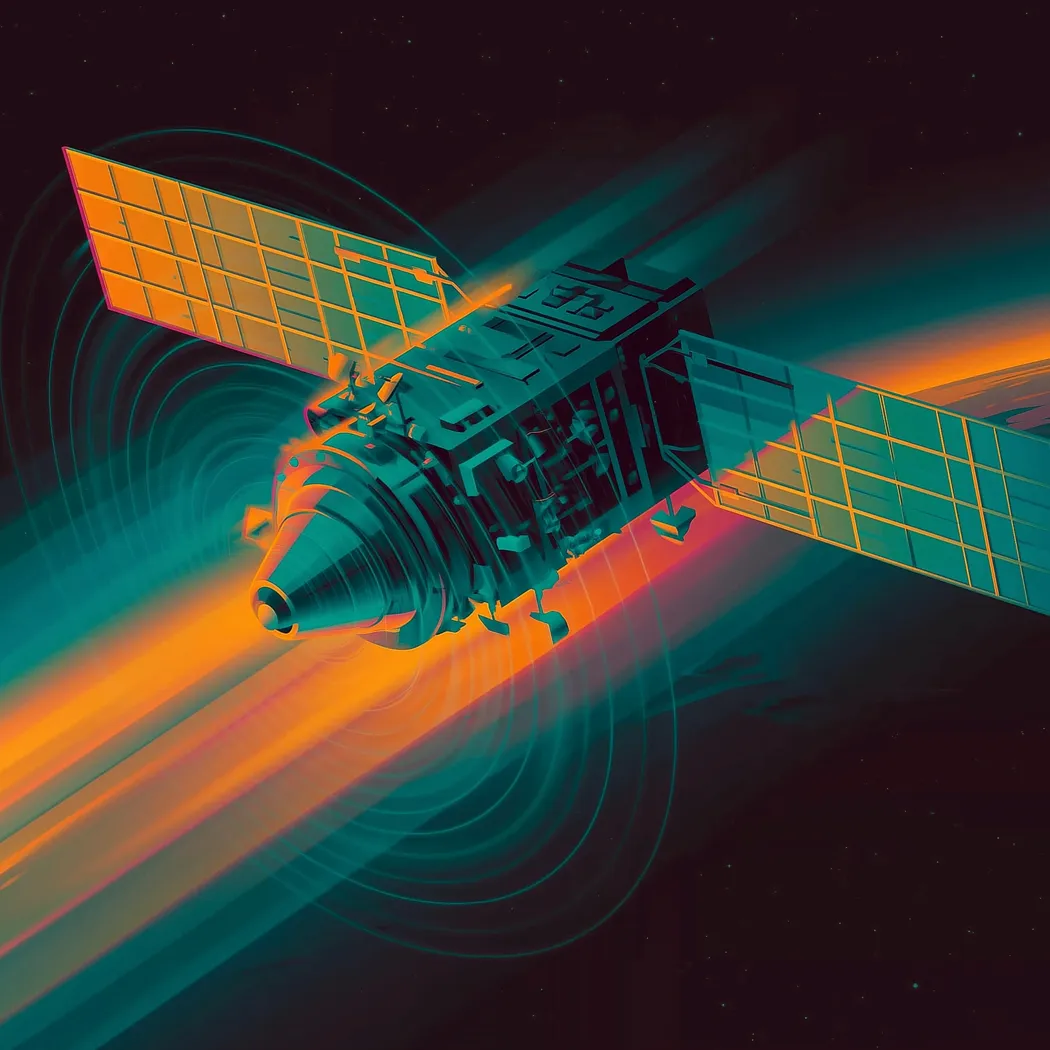
Simon Shuham, co-founder and CEO of American Supercritical, joins Andrew Couillard to explain why the exhaust heat pouring out of gas turbines may be the most overlooked power source for the data center boom. Based in Denver, American Supercritical builds supercritical CO2 power blocks that bolt onto a turbine's exhaust and turn waste heat into electricity, giving simple cycle turbines up to 50 percent more power from the same fuel in a tenth of the footprint of a steam system. The first product is a 10 megawatt skid aimed at the sub 50 megawatt, behind the meter generation that data centers are building to get around grid interconnection queues. Simon traces his path from rocket engines at ULA and Blue Origin, through Ursa Major, Harvard Business School, and Exowatt, and explains why a technology that lived in labs for decades finally has the right market, the right timing, and the right co-founder in CTO Matt Carlson, a veteran of Sandia National Labs and Kairos Power.
The conversation widens into why steam has dominated power generation for two hundred years and why Simon believes supercritical CO2 is its next generation. Because the system is heat source agnostic, the same architecture from roughly 5 to 50 megawatts can pair with small modular reactors, thermal batteries, concentrated solar, and waste heat from steel and cement plants. Simon covers who actually buys the product (the developer owner operators deploying gas turbines), why incumbents like GE face a classic innovator's dilemma, what nine months and roughly fifty co-founder conversations taught him about patience, and how the team grew from two to seven in about a month by hiring deeply experienced engineers and building a flexible, family friendly culture. He closes with advice for future founders: be obsessed with an idea you have real expertise in, and never start a company just for the sake of starting one.
"Steam has dominated the power generation world for two hundred years. There's all these memes out there which is like, it's all steam, right? All of this hard work on nuclear reactors and gas turbines and all this complex machinery, and all of it is just creating heat and then you just boil water with it. And so we are trying to give you the next generation of steam for all intents and purposes."
"It's sitting right there, already at your site. And we now have a technology that's been here for 60 years that can help you convert that economically, efficiently, environmentally friendly. There's no additional gas burned, no water use."
"It really comes down to being obsessed with your idea and it being kind of like your life's work. I'm a big advocate of having experience and expertise in the company that you're starting, and that sounds very simple, but not a lot of people do it."



Andrew Couillard (00:14)
Ladies and gentlemen, welcome to the Pirates Only podcast, the Black Flag podcast from Harpoon Ventures. I'm Andrew Coolyard, and every episode we try to sit down with amazing fundraisers, founders, investors who come through. And today we have the privilege of having a special guest, Simon, who is now part of the Black Flag program. Simon Shoeham is the co-founder and CEO of American Supercritical, a Denver-based company building supercritical CO2 blocks that bolt onto the exhaust of gas turbine and actually turn that waste heat into electricity.
Their first product is gonna be a 10 megawatt skid that gives simple cycle gas turbine up to 50% more power from the same fuel and a tenth of the footprint that a steam system otherwise would. Simon is literally a rocket engineer by training. He's a Harvard mechanical engineering, a master's at aerospace over at CU Boulder, propulsion at ULA, went to Blue Origin, then he was on the commercial side at Ursa Major, then Harvard Business School, then had a product at Exawatt, which he was the fifth who hired who helped it grow to 65 people.
His co-founder and CTO, Matt Carlson, spent a decade at Sandia National Labs on the first ever supercritical CO two Brayton Cycle hardware and was the chief engineer at Helegion's five megawatt supercritical solar plant and ran power generation at Kairos Power before joining Simon. So Simon, welcome to the show, man.
Simon Shuham (01:25)
Yeah, thanks for having me.
Andrew Couillard (01:27)
All right, man, so we gotta start with this crazy origin story. You went from rocket engines at Blue Origin to selling rocket engines at Ursa Major, but then you kinda pivoted into power at Exawatt. So you're growing from in a way rockets to energy. Can you just talk about that path
Simon Shuham (01:39)
Yeah.
Andrew Couillard (01:40)
and and what kind of got you on that?
Simon Shuham (01:41)
Yeah. So I I think, you know, my entire life I've been pretty quantitative. I think growing up.
I mean going back to like the origin story. My the youngest of three brothers and we were very different. My oldest brother's doctor,
Andrew Couillard (01:51)
Yeah.
Simon Shuham (01:51)
my mid middle brother's a journalist, and I was always the one who was in interested in you know building things and engineering and physics and math. And so went to Harvard undergrad, like you said, pretty unconventional, I guess, to go to engineering. It's got better since I've left, but study mechanical engineering. There's about twenty, you know, folks in my class who went into engineering and most after college went into consulting, and so I was probably one of like
Andrew Couillard (02:08)
Yeah.
Simon Shuham (02:08)
two or three that actually s became a real engineer. and I think I was determined to prove that
Andrew Couillard (02:12)
Yeah.
Simon Shuham (02:13)
I could you know use my degree.
Wisely and actually build things. And so during college, it was kind of a you went with a open mind, but very quickly got into the space industry, probably around my freshman sophomore year. And so from then on it was, you know, heads down, full bore into space. Interned initially at United Launch Lines, actually here in Denver, and then went there full-time after graduating. And it was pretty, you know, dream come true. I was sitting on console over rocket launches. I was, you know, like seeing real satellite hardware traveling to our like million square foot facilities where you've got like rocket boosters.
And so for you know a 21 year old, that was pretty amazing to see. It was like this, you know, you're doing textbooks and like little engineering projects in college, and all of a you're thrown into like really you know mission critical like national security hardware, which is which was really, really cool. ULA, you know, kind of starting there, like has gotten beat up a lot in the you know the public over the years thanks to SpaceX and Blue Origin and kind of falling behind. But honestly, as a 21-year-old,
Andrew Couillard (03:01)
So yeah.
Simon Shuham (03:03)
it was a pretty great place to start your career. You're surrounded by, you know, the tri the traditional Boeing and Lockheed folks, right? And so they've got 30 years under their
Belt. They know how to build good hardware. They might not be the fastest. They might take Fridays off, but like they know what they're doing when it comes to engineering, right? And so I was there only for a few years, but I think I got a really core foundation of like what it takes to build real, you know, real hardware products, send them to space, kind of get that rigor involved, and then you know, quickly was looking for something faster paced as you'd expect. And so moved over to Blue Origin, and that was the first time I think I got like true responsibility as a young engineer. And so worked on a number of our engine programs from B3U, B4,
Yeah.
enjoy that a lot. You know, I I enjoyed being an engineer, but I could look around the room around me and saw chief engineers and was like, that's not really where I want to go with my life. I am someone who likes, you know, kinda like intellectual curiosity is kind of maybe harsh, but like I like it learning new things. And so after, you know, five, six, seven years of doing CAD and analysis and, you know, manufacturing, I like, I can see where the next thirty years would look like, right? And I was much more interested in the why. Like why was the space economy flourishing? Like why were we making certain decisions around like the scales of the rockets we were building and how we were pricing them and
And so at Blue Origin, I worked a little bit with the sales and marketing team there. And ultimately it was like, hey, if you want to join this team full-time, you kind of need an MBA. I wasn't ready to go get an MBA yet, I kind of jumped into the startup world, which is when I jumped over to Ursa Major. And that was my full first full-time business and product strategy. So I got hired there under a guy named Kevin Lausten, who's now the CEO over at Morpheus Space, but he was the CRO at Ursa at the time. So I was his first hire. He had come from the satellite world. We were selling rocket engines, but he was great at sales marketing.
kind of structuring how a product should be, you entered into the market. And so I was his like technical translator, right? And was like t teaching him about how rocket engines work, who our customers were, and then he was teaching me about how to like position that in the market and how to like be a you know professional. It was
Andrew Couillard (04:45)
Kinda sounds like a win-win structure though, yeah.
Simon Shuham (04:47)
great. I mean Kevin's still here in Colorado. I had lunch with him the other day. Like he's a great mentor and friend of mine.
But that was a really interesting jump for me to go to Ursa because I'd always been a big company. I was always like another cog in the machine at Blue and U LA. And at Ursa, you're they're like, here are some projects, like go do them, go find customers for us, go put together like product strategy work for us. And there's only a hundred people here, and you're the only person in your role. So I think that was where I got the bug for startups, and I kind of always knew I'd want to work in them. And that was the first time I got exposure to it. And since then I've only gone to smaller and smaller companies over time. And so Ursa was around the hundredth employee. eventually went back to business school. And when I was there, I also like advised and worked for a couple other
startups. Then when I went to ExoWat I was, you know, the fifth employee. now at America Supercritical, you the first employee, right? So kinda kept moving down the trajectory of, you know, bigger and bigger aspirations and and more and more responsibility. And I think
I'm someone who's I think I my core incredibly competitive and incredibly like autonomous and just want to like run fast and you definitely get to the point where
Andrew Couillard (05:35)
definitely. Yeah.
Simon Shuham (05:38)
maybe founding a company is the only way that you can run fast enough and kinda satisfy that intellectual curiosity. So can yeah, jump into any of that. But I think that's how I eventually got from like very big company all the way down to, you know, the founding side of it.
Andrew Couillard (05:49)
Yeah,
it felt like you got smaller and smaller, and even always to that founder journey. Did you always know you wanted to be a founder? And at what time in your life did you realize like that's what I want to do at some period of time?
Simon Shuham (05:57)
Yeah,
I think when I was at Blue Origin I was involved in lot of kind of space community efforts. So I ran a lot of like young professional networks and things outside of my day job and was surrounded by a lot of folks who were starting companies and it was kind of this like boom thanks to SpaceX and kind of this like second space revolution. There was like definitely a first one in the early two thousands and then kind of because of SpaceX like the COTS program and what NASA was doing for private companies, it opened up the opportunity for startups to kind of flourish and so that was like, you know, twenty maybe like sixteen through like twenty twenty. And so I like living through that
Space world like looking around being like, look at all these amazing companies founding, and I would love to do that one day, and like the kind of challenge of a startup and just like introducing new products to the world. So I think while I was at Blue Origin, it was kind of that transition from like I'll be a lifetime engineer to like what are these startup things? Like, I think I could be super interested in that. And then that you know the whole business school kind of a mentality came to mind and had a lot of people say, like, why don't you just go start a company? And I think that's right for some people. The way my brain works, maybe like quantitatively as an engineer, I want to be like very prepared to do something that I throw myself into.
into. and so I thought I had the technical background, I had kinda like the market background, especially in the space industry, but I really lacked the like finance and honestly like the leadership and how you build companies and how you like live in the ambiguity of of company building and I think that's what I got from the business school side of it. And so I think, you know, probably at the Blue Origin time I like I definitely want to be involved with, if not start a company at some point, but wanted to kind of build that training and that muscle over a couple of years and
Even after business school, I think, you my time at ExoWat like the perfect training ground for how you build and scale like a, you know, hyper growth hardware company and leaving there, I'm like, I fully know that I can do this at this point.
Andrew Couillard (07:26)
No, and
you lived it, right? So like what was that transition from space to energy? Was that just opportunistically looking at the companies and the organizations you can have the most impact, or was it truly you were in space and you were like, No, I need to go to energy. This is where I
Simon Shuham (07:37)
Mm.
Andrew Couillard (07:38)
need to apply my effort and time.
Simon Shuham (07:39)
Yeah, maybe it's it's not a knock on and on space companies at all. I still love space. I still follow like that industry
Andrew Couillard (07:44)
Yeah.
Simon Shuham (07:44)
very closely. Most of my friends still work in space. Going back to Harvard Business School, you're kind of like hit over the head a bunch of times over. You do what's called like the case method, right? And so you read about
Andrew Couillard (07:52)
yeah.
Simon Shuham (07:52)
companies, you get like thrown into like living in you know scenarios of how you would operate in those companies. And so these are companies like Pepsi and GM and for whatever, right? It has nothing to do with space, but you you start to see like what drives a you know generational company and like looking at the space industry after that I was like, it's really hard for me to wrap my head around
like the the the market and the economy on the space side and how I would build like a sustainable company.
lot of the companies in the space world, and this is not like a blanket, but like, you live and die by the government, but they're also just trying to introduce like technology that's good for the world and that's great and people should do that. But like the bug that I had was
Andrew Couillard (08:23)
Yeah.
Simon Shuham (08:23)
like, I want to, you know, find the market that I can introduce technology into and like win in that market and have like very clear definitions of like how that hardware wins in that market. And I think that's like the perfect world for energy. And I think that was compounded with at the time that I was in business school. I won't say it was like the start of AI 'cause that's, you know, sixty years ago, right? But like
Chat GPT had come out, you know, all my classmates were starting to use it, but it was still kind of like speculative. And then energy technologies for the first time were like coming back into the forefront. They were getting private investment. You had like geothermal nuclear companies popping up and battery companies. And there had been like a 20-ish year lull from like climate tech 1.0 to now 2.0, where like no one touched like power generation and energy. And because of data centers and AI was being like thrown back into the forefront of the world, right? And so that, and I think the last part of that story is like energy and space have tons of crossover in terms of the actual hardware.
Like working on rocket engines, working on you know turbines now, but even just generally, even at Exawatt, it's like high temperature things that spin fast, like are generally hard to build, have a lot of material considerations, have a lot of manufacturing considerations. And so like that's the itch that I scratch in my brain. And so I think from like the hardware perspective, it's very translatable. And then it was just kind of like the timing of when I, you know, went to and came out of business school that it felt like the time and presency of like energy was was here. and I really wanted to be a part of that. And so I mostly even go to XWatt was looking.
at like nuclear companies and battery companies and eventually you know stumbled upon exawat and it felt like a great time to like enter an early stage company and help them grow into a kind of an emerging market.
Andrew Couillard (09:47)
Right,
an explosive growth. Now you see power dominated in a variety of different conversations, data centers included, which we'll unpack here in a bit. But when you were at Xowatt, how did you decide this was the market you wanted to decide? I remember vividly, we did a reference check, and one of the things someone said about you is your ability to segment and understand markets is literally NO1. It's probably the best in the world. So, like, how did you think about this is the market I want to go after, this is the core technological insight, and then this is the path I want to pursue.
Simon Shuham (10:11)
Yeah, I think
I what was pretty attractive to me when go to exphile like the time to market that they were pursuing. Like you talked again, like nuclear companies, they're like, Yeah, we're gonna get our first product out in like twenty thirty-five and having come from space where it's like our next rocket's ten years away, I was like, I would love to just like have
Andrew Couillard (10:21)
Yeah. Far way away. Yeah. Yeah.
Simon Shuham (10:25)
something operating on the world and like I've you know, put parts onto space and all of that, but like from a you know, clean sheet design through operating in the market, like I didn't want to wait, you know, five plus years and so I also really liked this idea and I've kind of always been around this idea of like ideas from four
40 or 50 years ago that like never quite found their like timing and then getting them out to the market at the right time by implementing either some new RD innovation or some new like innovative market you know scheme or you know just maybe some emerging commercial strategy or whatever it may be. And it felt like what XY was doing with concentrated solar power and solar thermal technologies, like that was it. Like you can read about CSP going back to home like hundreds of years, but really like you 50-60 years ago, some of the early CSP plants and like this kind of checkered past, especially in the United States, about
like Ivanpaw and Crescent Dunes and like the sex plants and
How we had so much hope for this like renewable technology in the early 2000s, and it just like couldn't quite crack the code on either the technical or the financial side of it. And now XWA was showing with like we're gonna do everything like a little bit different, and now we have this like backstop of data center power to you know have us commercialize on on the economic side. And so that was just
Andrew Couillard (11:28)
Right.
Simon Shuham (11:29)
a a really you know kind of scratched a lot of the itches of like interesting technology, kind of like a past technology that never quite made it, but like you see the merits of it and you could read white papers about why it should work. and it was really
like non-technology factors that were stopping it from entering the market. and now there's like this you know confluence of new commercial opportunities that might make it possible.
Andrew Couillard (11:48)
Yeah,
can you unpack that non-technical factors? Because being someone who
Simon Shuham (11:50)
Yeah.
Andrew Couillard (11:51)
worked in the government, I've saw it time and time again. You have these incredible warfighting labs, you have these incredible research institutions where all these good ideas effectively go to the graveyard, right? Nobody actually actions it. So why was this the time in which this was the right technology to kind of pull through? And I think this kind of leads to how you met Matt.
Simon Shuham (12:07)
You're saying for exawat specifically? for American Supercritical. No no no worries. Yeah, yes.
Andrew Couillard (12:09)
No, no, no. For you, sorry, I'm our I'm already jumping forward to American Supercritical. Yeah, yeah. Because I think that same phenomenon
exists obviously with supercritical CO2, right? Like this was
Simon Shuham (12:16)
Yeah.
Andrew Couillard (12:17)
a tech that has been developed for decades. And for now, like for a lot of reasons, I think people just, for non-technical reasons, it just either died in a lab or it never got action. There's lot of great white papers, but nobody actually ever commercialized it. So can you just
Simon Shuham (12:29)
Yeah.
Andrew Couillard (12:29)
talk through like how you I mean, I think you took that same framework, applied it to supercritical CO2, and then obviously Genesis of the company,
Simon Shuham (12:33)
Yeah, it's very similar. 'Cause
Andrew Couillard (12:35)
yeah.
Simon Shuham (12:36)
Yeah, I think that's a good point, which is like I again really love digging into like the history. I like my wife will joke that my fun at night is like reading white papers and like old NAS documents and stuff. And I like just like it's how you it's pure enjoyment. and so like, you know, again
Andrew Couillard (12:45)
Is that how you put yourself to sleep or is that how like pure enjoyment? Yeah.
Simon Shuham (12:50)
I at Exawat just could kind of cover that transition, like spend a ton of time just like heat and how heat gets converted to power, right? And at XWA we were using Sterling engines 'cause we're just at smaller scale. But there's only so many, you know, technologies and cycles dis despite us having, you know, lots of heat around the world,
Andrew Couillard (13:03)
Yeah.
Simon Shuham (13:03)
you know, for history.
Of how we've converted it into power, and a large majority of that has been from steam turbines. but when you dig into it, there's all these kind of creative cycles of like auto cycles and SCO2 cycles and sterling cycles that just like never clean a cycles, like there's all these crazy names that you've never heard of that like never quite made it for one reason or the other. Either like the working fluid was too hard to manage, it was too expensive, it was too inefficient, whatever. And then you read about SCO2, and it's like all of these people, there's there's maybe it's very there's there's something called the SCO2 symposium, which happens every two years, and it's like the major conference around SCO2, and it's I was gonna say it's
Andrew Couillard (13:31)
How many people go to the SCO two symposium?
Simon Shuham (13:33)
Maybe like it's like three hundred people, right? And like those three hundred
Andrew Couillard (13:33)
Yeah.
Simon Shuham (13:35)
people are zealots. Like they have just been working for decades, honestly, to get SCO2 out into market. And, you know, th they'll go deeper on some of the technical sides, but like you can read all these overviews of just how impactful this can be for like the world and how the economics make sense. And like I'm someone who very much also loves like techno economics, which is like a very business school y world, but it's essentially like how your technology fits into the market, right? And so at Exawat I did a lot of like technoeconomic analysis and like, you know, do it again here at American Supercritical and like
just checks those boxes, right? Of like you don't have to have massive technical innovation here. and this is like from reading papers that people put out, you know, and and even demonstrations over the last sixty years for SCO two that like
the the efficiencies there, the costs could be expensive, but like even the the the first of a kind cost that people were projecting or had built on the first of a kind products like were break even if you do the technoeconomics of what you know gas prices look like today and what you know data centers willing to pay. And so it it was kind of sit similar into that market where you you go into these old research papers or go to these symposiums and you're like why is it why isn't more people talking about you why aren't more people talking about this what is the bottleneck and so I started talking to the folks who were at these symposiums and like you know the folks at GE and Siemens, the Gas Turban Institute and South
Research Institute in Hanua and everyone who had touched SCO2, which is eventually how I met my co-founder Matt, and they all had the same thesis, which is like we know how to build SCO2, right? We had theorized it for years going back to like the 1950s at MIT and NASA. And then the last like 20, 30 years, like we've built component level test stands, you know, all the way up through full system designs at like the STEP facility in Nam in China. And it's at like, you if you're familiar with TRL scales, like a TRL 7, which is like we've built NN systems, but they've always kind of lived in the lab.
But we know
Andrew Couillard (15:04)
Yep.
Simon Shuham (15:05)
how to now compress the fluid, we know how to build the heat exchangers, we know how to build the generators, we know how to build the the valving and the control systems, and like each of those pieces had to be de-risked over time because it's just like a fundamentally different working fluid. but we've done all that now. And like we've done all that over the last 20 years. And when you go back to talk to these experts, they're like, yeah, we just need time and money. And I was like, great, that's what startups are for, right? Like I can move quickly and get you like time and like get you a product, and I don't have to sit in like management approvals at GE or like apply to grants at the DOE. Like I can get you private capital and deploy it very quickly.
And I can de-risk this for you. And so
Andrew Couillard (15:32)
A hundred percent.
Simon Shuham (15:34)
that excited a lot of those people. It excited me, which is like, wow, I have the chance to like help bring this technology, which like these five hundred zealots at the SCO2 symposium have been, you know, preaching about for so long, but just like haven't had the right commercial structure to go do it. and then that brings it to like the commercial side of things, which as the technology progressed and we got confidence in kind of TRL levels.
You know, SCO two and the systems that we're building, which are called indirectly fired SCO2 systems, need a primary heat source. And so that can be coal, nuclear, natural gas, thermal batteries, anywhere you've like 300 scene above heat, even geothermal in a lot of cases. And we just like weren't building that much of that in the United States, right? You know, we weren't building new coal. We weren't building like small enough new nuclear plants. And you know, nuclear and gas actually, most of the plants we're building are like hundreds of megawatts grid connected systems. And if so I'm a new SCO2 product trying to play in those markets, like my first product would have to be a billion dollar, you know, power.
plan and that's just non-viable for most startups, right? And so it's obviously changed with you know all things in the power world as data centers. And so data centers today to get around, you know, the the grid interconnection cues have started to do what's called behind the meter or you know islanded or you know lots of different terms for it, but basically bringing their power to their site. And when they do that they don't want to build billion dollar power plants because that's just not their you know ball game and they want to be more nimble and agile with how they're doing their distributed energy. And so they're bringing in you know typically natural gas-based generation that's like sub 50 megawatts. This couldn't be in the form factor
Factor
of like reciprocating engines or gas turbines. And when you do that, it's has a waste heat stream. Like the gas turbines that they're running are they run in what's called a simple cycle configuration. They burn the gas, they run the gas turbine, and they exhaust the waste heat stream to atmosphere, they're like 35% efficient. When we build these big grid connected systems, we almost always recapture that waste heat and put it through a steam turbine. But because steam doesn't scale down very well to like sub hundred megawatts, all of these gas turbines, or excuse me, all of these data centers were running gas turbines at a simple cycle configuration and just wasting that exhaust heat. So if you have
Really high willing spay customer, a massive, you know, power demand, you know, build out in the last three years for data centers, and a massive heat source, right? Just like tens, if not hundreds of gigawatts
Andrew Couillard (17:22)
And a massive heat source, right? That again is just waste at this point. Yeah.
Simon Shuham (17:26)
just sitting there for the taking, while everyone else in like the media and the data center world is like, where do we get our power from? And it's like, it's sitting right there, already at your site. And we now have a technology that's been here for 60 years that can help you convert that economically efficiently, you know, environmentally friendly. You know, there's no additional gas burned, no water use. And so all of that is, you know, kind of checked all the boxes in my like entrepreneurial brain and
you know, was a good combination of a lot of my past history of like rocket engines and things that spin fast and get hot and then like heat to power at exawatt and then like markets at HBS. So that was kinda like the entrepreneur like I can't put this idea down. It's all just like two right at the right time.
Andrew Couillard (17:56)
Yeah. And that was a light bulb moment.
So yeah, and before we unpack the data center part, because I think it's fascinating and obviously
Simon Shuham (18:02)
Sure.
Andrew Couillard (18:02)
a huge topic of conversation, how did you go about the co founder dating process, right? A lot of our
Simon Shuham (18:06)
Sure.
Andrew Couillard (18:07)
listeners are either founders or future founders and they're either business savvy looking for a technical founder or reversed. How did you actually go about that process and what led you to pick Matt as that technical co-founder?
Simon Shuham (18:17)
Yeah,
so
A number of reasons and I can very much relate to the co-founder, you know, like founding journey, the difficulty around it. So this is actually the second time I tried to start a company. I tried to start one while I was at HBS and building like the software for hardware aspect of things. It was again like while AI like emerging very quickly and I like, I should apply this to hardware
Andrew Couillard (18:31)
yeah.
Simon Shuham (18:32)
companies and kinda like my knowledge set. And I spent like nine months looking for a co-founder and I tried to do it solo and just like for a number of reasons that didn't work out well. But I very much felt the pain and probably talked to like fifty potential co-founders and that and just like never quite clicked with anyone.
Andrew Couillard (18:44)
It's a lot of dating. Yeah.
Simon Shuham (18:45)
Yeah, the
Andrew Couillard (18:45)
Yeah.
Simon Shuham (18:46)
way that I, you know, clicked with Matt. And so this time around, and you know, just from my, you know, background w and like learning about SEO two and kind of the complexities of it, I was like, if I'm gonna build this company, I need to build it with someone who's like the foremost expert in the world on this. I think because of again like that SCO2 symposium, like the people who like SCO two love SCO2 and they've been working in it for thirty years. And so
Andrew Couillard (19:02)
Yeah.
Simon Shuham (19:03)
how do you find the combination of someone who has that experience that's like, you know, no bias against age, but like young enough that they're like in a are in a position that they can go do a startup and like wanna move fast and wanna take that risk.
and so anyway, we me and Matt eventually got paired up because I was talking to a former coworker of mine at Exawat, who had worked with Matt at Healy again coincidentally, who knew I was interested in supercritical CO2 and was hey, if you want to learn more about it, go talk to Matt. And I went into that conversation being like, this is the perfect co-founder. I think Matt went into the conversation being like, this is some bothering me about SCO2 again. and he had been working at Kairos Power on the nuclear side and was very happy with his job and you know, stable life. And so he he will tell you that it was just like an informative discussion.
And I think I just bothered him enough that I was like, no, seriously, like I can tell this is your life's work, this is the time to do it. And I think quickly he realized my background and that like I knew what I was doing here, and that on the the fundraising side and kind of like the stability of growing a startup in the hardware space, that you know, I had the capabilities on on like the CEO and kind of fundraising side. and then he obviously has it on the CTO side. And so, you we we met back in February. I would say from a co-founder perspective, it's pretty quick. We started the company in in May, but
You know, I flew out to Denver, we
Andrew Couillard (20:09)
Yeah.
Simon Shuham (20:10)
like, you know, met in person, spent a lot of time together. you know, HBS and and other business schools will do kind of the the dating, you know, and like how awkward it is to go have these conversations, but it's like, hey, what's important to you about life? Like, you know, what do you want out of this company? You know, how long do you intend to run this company, what are pet peeves with yours, how do you like to hire, how do you like to run teams? And like we did sit down for a couple
Andrew Couillard (20:28)
Yeah.
Simon Shuham (20:28)
hours, you know, over multiple nights and just like talk through that stuff and I do think more than anything it just kinda gets you on the same page of
There's nothing that huge red flags, there's nothing that sticks out about this person, how they think about the company that's very different than how I think about the company. And, you know, that along with seeing Matt in action talking on the technical side, I like, Yeah, this i is someone that I would love to work with and that like very easily can hold his own. and I think the last thing I would say is there's a lot of potential technical co founders and Matt does a very good job of being very product minded and, you know, manufacturing minded. And it's not just I'd love to do R and D for the sake of R and D. It's like, how do we quickly get this product into our customers' hands? How do we think about who our customers are? And so
I think it's a pretty rare trait to have on the CTO side, but super important in combination with just being able like he's an encyclopedia of SEO two knowledge, so
Andrew Couillard (21:10)
Which is great. And then
do you guys draw the line really with him being an encyclopedia of SEO two knowledge, being product minded, technically focused and then you obviously on the running of the company, the fundraising, or do you guys actually cross pollinate in any capacity?
Simon Shuham (21:22)
Yeah, it's
a little weird because this is probably the first role that I've had almost no technical input. and like I want to be part of the team.
Andrew Couillard (21:28)
Yeah, but you got a technical background. It's not like you don't know what's
going on, right? You know.
Simon Shuham (21:31)
Yeah,
yeah, and I can I can hold my own and I can have these types of conversations and talk about our product, you in in in a good amount of detail. but it is a it's you know, it's an important thing I think on the co founder side of it, which is like I've operated pretty independently in almost all of my roles historically, and now I have to have a lot of trust in Matt as a co founder to like, you I I think he's one of the smartest people I've ever met, but also like I have to kinda hand that off to him and be like, I know you've got this, like the engineers work under you, like they're following kind of your strategy on the architecture and you know, the supply chain side of things and like that all kind of rolls up into the CTO.
side and you know I'll have inputs on you know just my learnings you know coming from Exawat and in previous companies about what worked what didn't work well but ultimately in like the pure technical side of things I I do give Matt most of carte blanche to go run that my time is spent a lot more and I'm glad to be able to do this on invest you know in the fundraising sure but also on like the company building side like I spent a lot of time on that when I was at Exawat and it's very important to me to build a strong culture you know make sure that our employees and and our teammates here like feel like they're part of the team and we're all working towards
same mission and like I was always pulled in a million different directions in other jobs and now it's actually nice to be able to solely be able to focus on that and I'm excited to keep kind of growing in that direction and you know build out the team side and really focus on the company side as a CEO, which is really nice.
Andrew Couillard (22:40)
Which is awesome. Yeah, no, that's I think it's such a great match in a lot of ways. And I think for listeners, be patient with the process, right? Like the fact that you went through fifty different people, couldn't launch a company because of it, was probably because you didn't have the right conviction with like, hey, I'm not gonna do this as a solo founder and I don't have the right person to start this with. And I think oftentimes we see founders just rush into it. They meet somebody, they're like, Well, they're
Simon Shuham (22:57)
Yeah.
Andrew Couillard (22:58)
technical enough, we'll figure it out. And then co founder breakups are brutal, right? Like it's a pretty messy process and the later it is, like a divorce in any marriage, it gets worse and worse, especially if you have kids, i.e. multiple employees.
Right. So I think you guys did it in a very methodical
Simon Shuham (23:09)
I think
Andrew Couillard (23:11)
way.
Simon Shuham (23:11)
Yeah,
I think one of the other interesting things now in retrospect, I'm like very glad that company didn't work out because like my life should be spent building hardware and there's a very like specific point when I was building that company where I went to like a space conference that I went to most years and like surrounded by all this cool space hardware and I'm like, What am I doing? Like I I'm not a software founder. And in retrospect, it's like the people I tried to get to be my co founder who didn't mesh for one way reason or the other. At the time I was kinda hurt. I was like, What do you mean? Like this is such a good idea, like why wouldn't you want build this with me? And then now looking back, I like, They're probably right. It probably wasn't a good company to go build and I probably
save myself from like years of, you know, running on, you know, a hamster wheel trying to make that company to work, without having the amount of conviction that we do in, you know, American Supercritical and like getting to this company which is probably, you know, the right fit for my life's work and build for the next twenty years.
Andrew Couillard (23:53)
Yeah,
that's that's such a good way to look at it. All right, so now let's pivot into data centers, right? Like how much of this is an energy problem, right? I think we're seeing now there's a
Simon Shuham (24:00)
Yeah.
Andrew Couillard (24:01)
bit a bit of a movement throughout the country where there's a little bit of AI doomerism, but there's also this anti data center movement that's happening in rural communities where they wanna set up these data centers. Like how much of that do you think is tied to power? Or how much of that do you think is tied to this idea that like they're contaminating water or some of these other things?
Simon Shuham (24:16)
Yeah, very strong feelings on the data center build out and it's funny, my wife like will send me texts from like her friends and family being like, Can you ask Simon about this? And it's like a link to some Facebook thing of, you know, data centers ruining our water supply, and I'm like, that's a tough battle because a lot of it is misinformation, but you also want to be sensitive to you know, these these are real people and real communities and a lot of the problems are real. but I was talking to a former CEO of a data center company earlier today who retired
Andrew Couillard (24:40)
Yeah.
Simon Shuham (24:41)
about six months ago and he's like, Man, did I choose the right time to retire? 'Cause the comp you know, the pushback
of like banging your head against the wall trying to, you know, show that data centers have been running on closed loop water systems for ten years now and you know, the pollution problem, which we're helping, you know, trying to solve but on the gas turbine build out, like fifty percent of our world of our country's grid is already running on natural gas. And so like and that's much better than coal and that's, you know, kind of been in process for the last twenty years as well, you know, already so, you know, I I think it's a mix which is hard to decipher of like real and not real problems.
Andrew Couillard (25:08)
Yeah.
Simon Shuham (25:09)
I think that the power side is very real, which is like gas if if
how much you believe the projections of where the data center build out is gonna go is gonna be directly correlated to how much additional natural gas we build out. And of course, like myself, like everyone else, like wants to build out, you know, renewable you know, solutions here and worked at a renewable company before this and like very much believe in minimizing the amount of you know thermal generation that we have to build. that being said, like natural gas is relatively clean compared to alternatives and, you know, we still can, you an American supercritic, our whole goal is to make that as efficient as possible so that this requires
Required build-out to meet the demands of where AI is moving, which is not slowing down, which means that data centers are going to be built. Can we do it in as renewable and efficient of a way as possible? Not waste this waste heat. Like, I just don't think there's much that you can do to stop the forces that that that that be, right? Like it's gone all the way up to the White House at this point of like AI is an imperative for this country. And I I I can understand if you're not living in it every day like we are, why that's a scary thing and why it's easy to push back on that. But I I just think.
it's you know a completely different era and a c completely different age of technology and like we have to do everything our can to to be like stewards of of ushering in that AI world in a responsible way and so that's definitely a big tailwind for us at American Supercritical, which is just how do we meet the power demands of AI and and power demands of data centers in as efficient way as possible and as clean up a way as possible.
Andrew Couillard (26:26)
You
know, and that's so well said too. And y ev at the end of the day, every data center in twenty twenty six is all about these I it's gonna cause higher power bills, water use, blah, blah, blah. Seven in ten Americans oppose a data center near them, right? So how does this idea of having like a bolt on heat recovery unit, which is effectively what American Supercritical is, is obviously more technical than that, but how does that help solve this problem of how do we get the public perception to be a lot more positive when it comes to the data center build build out?
Simon Shuham (26:51)
Yeah, I mean, first and foremost it's just getting more out of the gas that you're gonna burn, right? And so like, you know, it's a start, right? And this is I
Andrew Couillard (26:56)
Yeah. 'Cause it's you're gonna burn it anyways, right? Yeah.
Simon Shuham (26:58)
Yeah, I think this is I mean, also to segment this into a c a couple different steps. So what we're doing at American Supercritical is we build, you supercritical CO two turbines. The easiest way to think about it is a better version of a steam turbine. So steam has been around for two hundred years, you have some you know heat source, you boil water, you run it through a turbine, you generate power. What we do is replace the water with CO two. There's different engineering around it, of course. but you're essentially heating up that CO two into what's called a supercritical state where it flows like a gas, it's the density of a liquid. But the important part of all of this, and it's you know, much more efficient, more power dense, all that good stuff. but the important part of this is that
Heat source agnostic, right? And so we are meeting gas where they're at today and making it as efficient as possible. so that when you you know run an MMBTU of gas, you burn it, and you're gonna burn it for a gas turbine already. We go from the efficiencies of a simple cycle turbine, which is you know 30-ish, 35% efficient, all the way up to a combined cycle plant, which is what you'd see kind of grid scale, which is like 55-60% efficient. So, kind of like for like, you're just getting you know 40 to 50 percent more power out of the same unit of gas that's gonna be burned regardless. But I think the second step of that, which is you know likely more important, is that our our system is heat sourcing.
Agnostic,
right? And so the same units that we're building today for gas, because gas exists today, can be used for small modular reactors, they can be used for grid-scale thermal batteries, they can be used for concentrated solar power, which is where both me and Matt have you know worked on in our past. They can be used to convert, you know, all of the industrial waste heat streams from steel and cement and coke and iron and some petrochemicals into useful electricity, where today all of that industrial waste heat, you along with all these other waste heat streams, is just being vented into the atmosphere, right? And so our whole thesis around this is everyone's looking for power.
and we've got terawatts of heat that is just escaping into the atmosphere that f essentially, you know. Yeah, I mean there's a McKinsey
Andrew Couillard (28:29)
Wow, you think it's up in the order of magnitude of like terawatts.
Simon Shuham (28:33)
report from I think it was like twenty nineteen or something like that that was like thirty one hundred terawatt hours, right? And not all that's running at base load. And so you're in kind of the terawatts,
Andrew Couillard (28:40)
Wow.
Simon Shuham (28:40)
if not, you know, hundreds of gigawatts at minimum, terawatts, you know, kind of the upper end of and that and that was just three hundred C and above
waste heat streams, right? And so like there's yeah, at least hundreds of gigawatts of waste heat that's just being vented essentially to our atmosphere, which if you had yeah, if you had an economical operational solution
Andrew Couillard (28:54)
That is crazy. Yeah, and that's something we should take advantage of. Yeah.
Simon Shuham (28:58)
like we're building here at American Supercritical, you've got gigawatts, you know, I won't say for free, you still gotta build the hardware, but in an economical way for good financial returns for the developers and also, you know, environmental returns for our planet because, you know, you
don't have to build
Andrew Couillard (29:08)
Definitely.
Simon Shuham (29:09)
a new gas plant if you can just capture it from the steel plant down the street, right?
Andrew Couillard (29:13)
Yeah,
a hundred percent. you know, and I think like I there's so many markets this could apply to, right? Data centers are the hot one and where the heat is the highest, no no pun intended. But how do you think about sequencing these markets and the unit that you're building, can you literally just bolt it on a data center and then that same fit form factor can bolt on to an oil rig and then a variety of others, or do you have to make any changes, modifications as you do that?
Simon Shuham (29:32)
Yeah, so y you we were designing around three main frame sizes. One is in kind of like the eight megawatt range, one's in like the fourteen megawatt range, and then one in like the twenty-five megawatt range. And we'll deploy those over time. But that's basically to meet the most common frame sizes of gas turbines today being deployed at data centers. but we've told you know a number of other folks too, like a gas turbine to us is a gas turbine. Like we don't care where it's being run. We want it to be run in like a high capacity factor like kinda like towards baseload 'cause the economics look better there. But those same gas turbines are like you said being used at oil and gas rig, you offshore oil rigs,
mining sites, just distributed microgrids. They're being used for peaker plants, you know, connected to our grid, which we, you know, using our system, we have the same kind of load response that a gas turbine has. So you can actually use SCO2 in the peaker side of things as well when connected to the grid. And that gives you additional capacity for the same amount of gas, which is very valuable. And you know, the capacity markets, which you know, our grid is very strained on on that side of it as well. And you run essentially the same inefficient gas turbines to meet that. and so, yeah, generally, yes, this you know, we're heat source agnostic. As long as you're running in, you know, kind of this like our first products are in kind of this.
450 to 550 C range, that's like the exhaust stream that we're operating against. But a lot of our design decisions are to be as modular as possible. And so we can be pretty modular in our turbo machinery and Pellor design and kind of how we scale that up to different frame sizes and our heat exchanger design. And so really anywhere in the like five
Andrew Couillard (30:42)
Yeah, it makes sense.
Simon Shuham (30:44)
to like 50 megawatts, we use the same architecture, same frame, and it's really just kind of scaling up your individual components.
Andrew Couillard (30:49)
Makes
sense. You know, and a and as you're looking at this though, like who writes the check? Who's the customer here? Is it the hyperscaler? Is it the power developer like a Crusoe? Or is it the turbine OEM? Like how do you think about who the customer is ultimately?
Simon Shuham (30:59)
Yeah, so when it comes to the gas turbine side and it gets very messy, so you put a lot of you asterisks around around a lot of this, but traditionally you'd have your OEMs, you know, your your gas turbine OEMs, the the Siemens G's, Rolls-Royce,
Andrew Couillard (31:10)
Yeah.
Simon Shuham (31:10)
Baker Hughes of the world, they would sell into a developer-owner-operator. and that's three different words, right? And so sometimes there is just a developer, sometimes just an owner, sometimes just an operator, sometimes it's all at one. It's kind of how much you want to move up the capital stack. But those are the people buying from the OEMs and then going and developing these projects. They're buying the land, they're doing the permitting, they're working with cult looking
EPC firm, an engineering procurement and construction firm to actually build the site. and then they're operating, you know, the asset for its you 20 to 30 year asset life. and so all of those you can imagine have different financial schemes and whatever. And so we sell into those developer owner operators, and even now with the data center build-out, that's a crazy market. Every week it seems like you know, Blackstone and KKR and every new like private equity group is standing up their own powered land group, but then there's you know the the traditional IPPs like the Vistras and the constellations of the world who you know.
Build
gigawatts of power plants, either you know grid connected, but a lot of them are moving now to behind the meter. And so ultimately that was like our first customers, folks who are buying and then deploying gas turbines. it doesn't necessarily need to be behind the meter, but of course that's where there's a lot of willingness to pay today. There's a lot of you know kind of innovation stress for those developers where historically they were selling into the grid. You know, they had pretty straightforward margins on how they'd sell as a merchant asset. Now that's completely turned on its head because like I was we said before, there's such a bottleneck for power for data centers.
that a lot of these developers are kind of rethinking their innovation strategy and saying, like, if I'm developer A, I need to embrace new technologies because I have to have something that's better than developer B. And it can't just be, you know, cost of capital, it can't just be like access to turbines because that's all very fragile. Like it has to be reinvesting in the RD side like reinvesting in the innovation side. And so we've timed this pretty well to be able to go talk to those developers and for the first time, again, they're looking at new technologies as a way to augment their business rather than just
essentially being like a Reit developer and taking like twenty percent un you know, unlevered IRR and like developing a project and like moving on with their life. They have to all of a sudden think about technology, which is a little bit less comfortable for them.
Andrew Couillard (33:00)
It is
a lot less comfortable. So like why don't you think like a GE, vr Vernona or a Siemens has done this before, right? Like why why do you think they've kind of either overlooked this or they just haven't integrated it as a core part of their business?
Simon Shuham (33:10)
it's
a very good question. I mean, I think if you have been at HBS you know about the innovators dilemma, if you've been at any business school, I
Andrew Couillard (33:16)
Yeah, yeah.
Simon Shuham (33:16)
think this is a pretty core innovators dilemma, which is and we've talked, you know, both Matt and I know the teams at GE and Hanwa and you know Peregrine and Ecogen and you but especially the big OEMs, and the head of GE's SEO two research group retired a couple months ago so you could speak more openly about this and he's like, We're maybe five years away from a product, you know, I need my managers, managers, managers' approval. I have to show like very clear returns to you know the PN
Here to reinvest like a speculative RD technology, you know, 10 years ago, right? And so you've G's done a ton of research, and they're you know one of the biggest drivers on how you've you know de-risked SCO2 over the last 20 years, especially at a turbine level, but doing a lot of stuff on heat exchangers and kind of being part of that step program. but ultimately for them to go release a product, there's twofold. One is just pure innovators' dilemma, and two is we learned that you know GE actually has a charter internal to the company that new products have to support the grid. And so that's why most of their research has been around these large grid connected systems.
Like hundreds of megawatts. And so that just becomes even more difficult, right? If I have to go finance off my own balance sheet a you know $500 million to a billion dollar plant of a new technology, like of course, you know, your your executives at that company are gonna have a hard time swallowing that pill. And so I do think that's where a startup like us, you can kind of take that private capital, you know, build to where the market's at today, you know, be more nimble with how we talk to customers because we don't have to think about the broader business unit and the broader strategy goals here. We can just go, you know, four you know, full bore towards these customers and say, like, we'll build you.
This in you sixteen months and like give us a contract and we'll you know work on our ass off to go deliver on it, that's very different than the the big OEMs can go do, you know.
Andrew Couillard (34:41)
Yeah, man.
So true. And I think that's why you'll have a differentiated edge. So you moved from Miami, you've relocated to Denver, that's where American Supercritical is being built. How are you thinking about hiring for something like this? And like how have you thought about how you're gonna build this company and the culture there?
Simon Shuham (34:56)
Yeah.
So I mean part of the move to Denver, Matt was based here, but also it's a great place for power generation in general, but like, you know, fluid mechanical
Andrew Couillard (35:02)
Yeah.
Simon Shuham (35:02)
talent, propulsion talent. Ursa Major where worked previously is based here and there's you amazing propulsion talent there. we've got a lot of aerospace companies based out here, Boom Supersonics out here, Crusoe's out here, and so and then beyond that when you go kind of past the startups, there's a huge oil and gas market, you know, in kind of the Denver, you know, larger metro area
Andrew Couillard (35:17)
Massive, yeah.
Simon Shuham (35:18)
and just a really big focus on power out here. And so I think it's a really good market for, you know, controls and folks that have worked on turbines and
their
past life. We've done like satellite propulsion and like, you know, even rocket propulsion now. and so very good at you know market here for hiring. we've already had really good success. The team is now seven full time. You know, we've grown from two to seven in about a month of really experienced folks that have worked at basically all of the major players that have built SCO2 in the past from
you Hanwa and Southwest Research Institute and EcoGen, but also folks that have worked at Rolls-Royce and Siemens and you know Google X and so people that are interested in this technology that are moving to Denver, you know, that are already in Denver, that want to join and kind of build very quickly with us. And I think on the culture side, that's a really, you know, interesting question because it's probably a little bit counter to what many startups will talk about. like both Matt and I have families, like it was important for us to build like a sustainable business that is not, you know, a hundred hours every week for the sake of a hundred hours. It's like working hard to build a product for our company.
customers and some weeks that's eighty hours, but some
Andrew Couillard (36:10)
Yeah, yeah.
Simon Shuham (36:11)
weeks that means like giving people the flexibility to, you know, travel when they need to or be with their family when they need to. And I think that's actually really resonated because especially in SEO two, like you need the experience. It's like a very heritage based technology, right?
Andrew Couillard (36:22)
Right, so they're probably older, they probably have families,
right? So yeah.
Simon Shuham (36:25)
Right. Most of the folks we've hired have families are kind
of mid career, late career in a good way. Like they're incredibly experienced and we'll hire, you know, to kind of backfill into like the younger, scrappier, like, you know, go getters. But you our core team, we really wanted like an incredible amount of experience so that we weren't like guessing and checking on will this work? It's like w we know it it's gonna work because we've got such an experience. You know, we've built these products before. Now it's how do we build it quickly and you know, move through kind of the the the build out and the test and the supply chain and that's where you can kinda backfill like the younger, scrappier folks
Andrew Couillard (36:53)
Mm.
Simon Shuham (36:53)
to be
you boots on the ground and when work hard, but, you know, ultimately I think and I've seen this throughout my entire career, is w you know, meeting teammates where they're at and like being just, you know, reasonable with them and like understanding their lives and where they're coming from builds you in an immense more, you know, amount of trust and like desire to work hard than the idea of a culture where we work hard, right? And I think, you know, I I saw that at XY, I saw that at previous companies and and we intend to do it here at American Supercritical, which is like
You know, if you're not here on Monday, but then you, you know, come here and you work really hard from Tuesday to Friday, whatever it may be, like it's the same amount of work output and that's you all we can ask for. And so I think that trust buys you dividends and you know lets you set yourself up to be a 20 year company, not a company where every you know year and a half you have turnover, which ultimately is gonna, you know, kill you faster than someone needing a little bit of flexibility because they're going to like a doctor's appointment or something, right? And so I think that's it's resonated. It's maybe
Andrew Couillard (37:41)
Yeah.
Simon Shuham (37:42)
a little bit different than a lot of other startups we'll talk about, but it's important to both me and Matt and
everyone hired so far, and you know, our team still moves fast and like does good work and I don't think that's g gonna change anytime soon.
Andrew Couillard (37:53)
And I love that because I think there's this huge 996 movement, right? If you go to Silicon Valley or
Simon Shuham (37:57)
Yeah.
Andrew Couillard (37:57)
you go anywhere in San Francisco, everybody's talking about, we want to do 996, we're gonna grind hard, get an office mattress, sleep under your desk. But I think if you're building a long, durable company, and to your point, if you have employees that have families, not only is it true and authentic to you and Matt, which is why I think you guys align, but it's also great for the company itself, right? If you want this long, enduring life cycle.
Simon Shuham (38:17)
Yeah, I
mean I I've kind of joked about it and there's of course no bias here about hiring people who have families or not, but like I can tell you when I had my daughter a few years ago, like I've never wanted to work harder, right? And so I don't think that necessarily equates to
Andrew Couillard (38:27)
Yeah, it gives you that fire, right?
Simon Shuham (38:28)
to working longer hours, but you're like, this is not just about like me and my career anymore, it's about like my family and of course like always is, but like about my family and like building a long, sustainable company that my like children have something to look at and you know, are proud of what their you know, their dad did. And so I think
people who don't have kids. And again, this is not to get too in the weeds of like having kids or not. You don't have to have kids to work here. But I do think it's given me a new a new person. yeah.
Andrew Couillard (38:47)
Yeah. Usually it's like, I don't know, they got kids. I don't know if we should hire but now you're the it could be flipped.
Simon Shuham (38:53)
I do think it's given, you know, a perspective to a lot of our team members here of just like, you know, I I moved my family or like I had a lot of job options and I chose this and so like I'm gonna give my full self into working hard to make this successful because it's not just about me anymore. so yeah, I think I think there are yeah. Yeah.
Andrew Couillard (39:05)
Be more intentional about your time at work. I love that, yeah. No,
I really, really like that. And I something I resonate with and I think it's true and authentic to you all as well. So I I mean if in five to ten years if everything goes right with American Super Critical, what do see for not only the company but for the industry as well?
Simon Shuham (39:19)
Yeah, I mean, we we've kind of put it on some of our slide decks and things like that, but like steam has dominated the power generation world for two hundred years. There's all these memes out there which is like it's all steam, right? And like all of this hard work on like nuclear reactors and gas turbines and like all this complex machinery and all of it is just creating heat and then you just like boil water with it. And so we are trying to give you, you know, the next generation of steam for all intents and purposes. And today that's like, you know, hundreds if not thousands of gigawatts around the world that are being generated through steam. and so in a world fifteen years from now, like there shouldn't be any more steam.
SCO2 is a better working fluid. It can scale up to like the you the levels of steam. It's our job to basically displace that incumbent. and when you kind of go through those you know retirement or upgrade cycles for existing steam plants, we should replace them with SCO2 cycles. And then more importantly, it's ushering in this new generation of technologies, right? Small modular reactors, thermal batteries. I'd love to see more concentrated solar power in the United States because I'm obviously personally still fascinated with it. and so you know, me and Matt have talked about this a lot where like, of course, it's gas turbines today, like that's the dominating force factor for how we are able to exist, but we run.
really wanna see American Supercritical and SCO two in general as being kind of like the last puzzle piece that's needed to usher in a lot of these like twenty first century technologies. because you know it's kind of hidden in the balance sheet sometime and hidden in the the technoeconomic analysis. But like if you're building an SMR, you know, 30 ish percent of your total costs are gonna come from your power generation portion that has absolutely nothing to do with the nuclear reactor. And so all of these new companies are spending like all their time killing themselves to bring down the cost. And then it's like we're gonna plug it into this old boring steam cycle that's inefficient and too costly and
you know, if we can help you as an SMR company, a thermal battery company, whatever it may be, bring down your overall, you know, total cost of ownership for your customers, that makes all of our, you know, worlds a lot better because we can adapt and and you know adopt those technologies more quickly because they pencil out better, right? And you don't have to, you know, rely on these legacy supply chains and we are startup and we can move quickly with you as a startup and all that good stuff. So I'd love to see, you know, fifteen years from now, tons of SMRs, you know, tons of thermal batteries. we I'd love to convert every
Andrew Couillard (41:12)
And hopefully it'll help move towards energy abundance, right? 'Cause think in every study, anytime you can get the cost of energy near zero or closer to zero, everything improves. GDP improves, quality
Simon Shuham (41:20)
Yeah.
Andrew Couillard (41:21)
of life improves, life expectancy approves. So I love that fact that you're doing part of that. Yeah. Yep.
Simon Shuham (41:23)
Yeah, it's yeah, Jevin's paradox, right? Where it's like as as you know, the
the cost comes down, we you know, find new ways to use that additional power. And so very true believer in Jevins Paradox, it's been true for the last, you know, two hundred years, it's been through industrial eras and all that good stuff and there's no reason for it to slow down. So, there's like you said, there's that famous graph of G D P rich countries and energy rich countries and
They go hand in hand, that's not by coincidence. So yeah, we wanna usher in a lot more, you know, new energy, clean energy, efficient energy into the world and you know, unlock what's capable with with that new energy.
Andrew Couillard (41:55)
Well hey, eighty percent of the world's electricity still comes from a steam turbine, so hopefully you're gonna bring that down to near zero, not only just the cost of energy, right? so you know it that's what yeah, that's
Simon Shuham (42:02)
Yeah, soon it'll be yeah eighty percent from SEO two. That's the goal.
Andrew Couillard (42:06)
what I'm talking about. So you know, a lot of our founders or a lot of our audience is founders or they wanna start a company. So what's some parting
Simon Shuham (42:12)
Sure.
Andrew Couillard (42:13)
advice you have for those future founders?
Simon Shuham (42:15)
Yeah, I would say I one thing that's kind of always, you know, irked me in the startup world is people founding companies for the sake of founding companies. And I get the appeal, like there's a lot of
kind of existential benefits that come from being like a startup founder. But now having attempted to do this very unsuccessfully once and now doing it somewhat more successfully the second time, it really comes down to the, you know, being obsessed with your idea and it being kind of like your life's work. I'm a big advocate of having experience and expertise in the company that you're starting and that sounds very simple, but not a lot of people do it. Where like if you're gonna start an AI law firm, it's great if you're a lawyer, or at least like understand law. And like in our world, if you're gonna go start a power generation company, you should hopefully
know
things about like turbines and power markets and you know I think that just pays dividends for both like the trust that you draw with customers and employees and you know investors but also like every day I go home and I'm like this is awesome. Like this is super cool that I get to work on this every day. And if you don't feel that way about your company and if you're just doing it for the sake of starting a company, that's probably not a great recipe for success, right? And so I don't think it has to necessarily be like, you know, I have a PhD in this thing, but you should be like fundamentally fascinated with you know the idea that you're working on and not be able to sleep because
you know, y you feel like you're the right person to do this. And if you don't do this, someone else is gonna do it, maybe maybe be less successful than you are and not, you know, you know, bring the technology to market. And even when I talked to Matt, like one of his big fears about SCO two was that there's gonna be someone and and this is like, you know, in the last twenty years, someone, whether it was G E or whatever, one of these past companies, was going to go out, put a shitty product out there and kind of ruin it for the rest of the SCO two world. And we saw that in concentrated solar power too, which is, you know, with these big early stage projects, like someone went out there and like kind of ruined it for the whole future of concentrated solar power. And so
I think that kinda comes from people trying to like over optimize for the financials or the idea of being a startup without being fast like obsessed with the actual technology or the actual product that you're putting out there. So that's the the most genuine in and like take your time, find what that, you know, obsession is. and then, you know, I I highly recommend being a founder. It's awesome. I and just startups in general. Like I think nothing cut scratches
Andrew Couillard (44:06)
But I think that's words of wisdom. Be patient
with it, yeah.
Simon Shuham (44:08)
Yeah.
Nothing really scratches the itch like, you know, creating something from scratch. It's it's like really, you know, fascinating and I love doing it, so
Andrew Couillard (44:16)
I love that Simon. Alright, well parting shot for American Super Crickle. You're hiring, right? Like anything you want to lead the audience with?
Simon Shuham (44:20)
Yeah. Yeah, absolutely. So
yeah, we're hiring very aggressively. You know, we just came out of stealth a couple of ago, having great customer conversations, you know, great technical conversations. We're building lots of hardware. if you want to really get on and on the ground floor of what we think will be a pretty transformational technology, hiring across you know turbo machinery and fluids and mechanical engineers as well as control engineers, power electronics, you know, electrical machines, if you're at all interested in what we're doing, please feel you know free to reach out or apply online and
Building a really great team here, so
Andrew Couillard (44:47)
10 out of 10 will recommend, I concur. Awesome, Simon. Well,
Simon Shuham (44:49)
Ha ha ha.
Andrew Couillard (44:50)
thank you so much for your time. Thank you for joining us here on Pirates Only. Looking forward to seeing you soon, brother.
Simon Shuham (44:54)
Yeah, thanks Andrew.
Really enjoyed it. Have a good one.