Highest Voted Nominees (So far...) (Note: These founders have not committed, this just represents nominations)
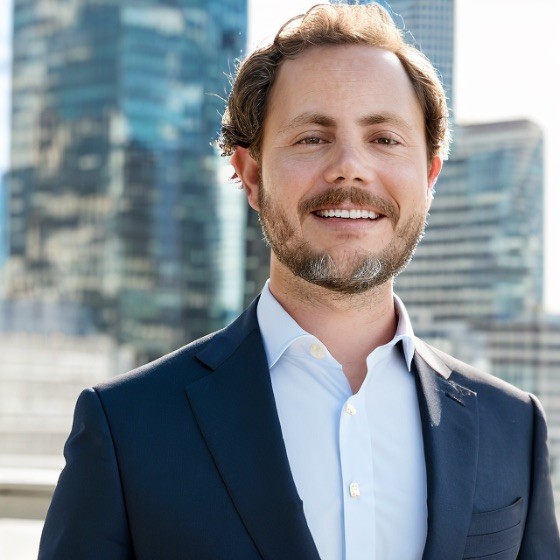
Kyle Eberly
Chairman & CTO, Sitreps
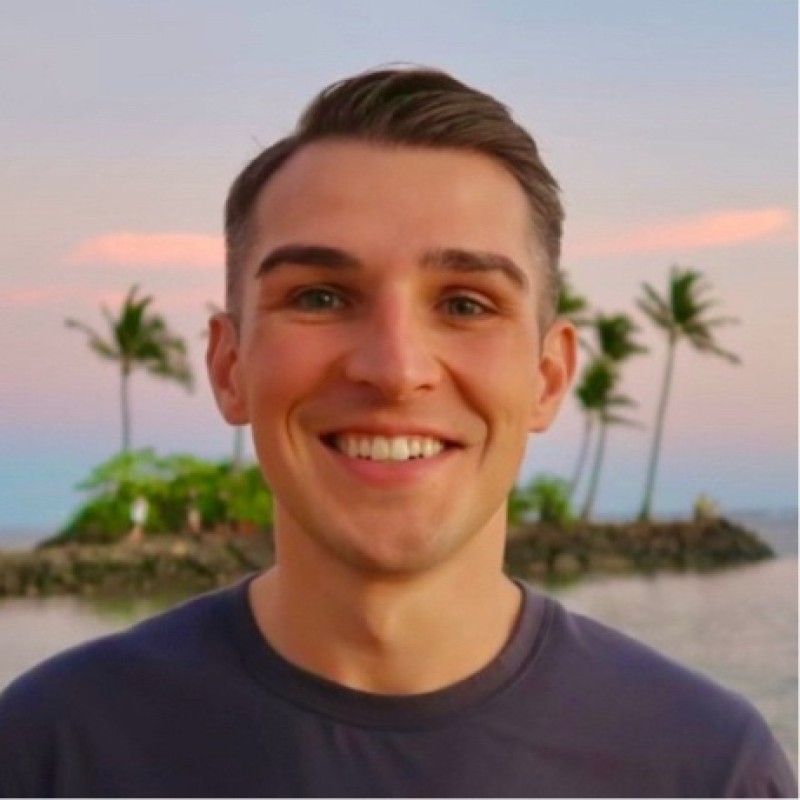
Wyatt Frasier
CEO, Sitreps

Max Cormier
COO, Sitreps
No items found.

Sit Reps began in 2019 as a military meme page Kyle Eberly started while doing M&A work at PwC, built on a simple insight: you do not need three million followers, you need a hyper concentrated audience of exactly the right people. Nearly every veteran in the professional world seems to follow it, and that reach became a recruiting flywheel once Kyle, Wyatt Frasier, and Max Cormier realized their community was the perfect talent pool for the defense tech surge. Their first real client, OneBrief, called and told them to point the platform at recruiting, and the crew listened to the market. Since then they have worked with more than 35 companies and made over 150 placements, layering a serious business on top of the memes.
From there the conversation widens into why this moment is different: defense tech in its current form is only a few years old, military experience finally commands tech salaries, and the hardest roles to fill are cleared technical talent and people who can sell novel technology to the government. Kyle frames the entire sector as a scalability problem, since no one can afford to fire a five million dollar missile at a five hundred dollar drone, which is exactly why venture money keeps pouring in. The founders argue defense tech is a frontier rather than a bubble, point to energy as the real constraint (one client is putting decommissioned naval reactors to work powering AI data centers), and tease what comes next for Sit Reps: a pitch competition, community chapters, and possibly a fund of their own.
"People look at addressable market and they think you need three million followers to do something. But you don't really need that. What you need is a hyper concentrated batch of the people that you want. Social media is really good at finding you those folks because of the way the classifiers and algorithms work. Pretty much everybody I've met professionally or in the military has somehow managed to follow this page."
"The biggest thing for most veterans is you have skills, I'll call them soft skills for lack of a better term, but they don't show up on a resume. I can put that I boosted EBITDA, that I cut costs, that I hit 130% of quota. I cannot put that I have grit. You're going to succeed because of soft skills, which is hard to hear, because no one wants to hear that you might have to take a step backwards and then push forward."
"We're recruiting some pretty high functioning folks, usually coming from the sexy jobs in the military and top schools, and there's quite a bit of entitlement that comes with that. The folks that do the best are the ones that recognize, okay, I did cool stuff, I have a great degree, but I still have to work really hard. They're humble, they know they're still building their civilian career and starting out from the beginning."



Mat Vogels (00:14)
everybody, welcome to another episode of Pirates Only, a podcast where we interview early stage founders to talk about all things startups, their own, and then what they're seeing in the industry. And today's an extra special episode because you'll notice here we have a lot more screens that are gonna pop up if you're watching this on video. we have three founders and operators here, and also we're
My partner in crime here at Black Flag, Andrew. It's great to have you on an episode here with me. Could you do a quick introduction on yourself? 'Cause you're a voice that folks haven't heard on here in a while, and then also maybe introduce the folks that we have on here today.
Andrew Couillard (00:50)
Thanks Matt. So for those you have not heard or met before, I'm Andrew.
Before joining the team at Harpoon Ventures, I was diffusing bombs for the Navy for about eight years. Joined when we were incubating a company called Vector. Was the chief of staff to CEO before they had full-time hire. Loved the experience, but fell in love with the early stage venture side. Ended up going up to Stanford for two years to get an MBA, which we'll unpack as the golden path for any veteran getting out of the military these days. And was lucky enough to stay on with Harpoon at that time, helped launch Black Flag with Matt. And I serve as the Black Frag program director, functionally running the entire program. I'm also on the deals team and help with our government go to market. And today we've got three
special band of pirates that we're gonna introduce here shortly, but the sit reps to steer coes, the legendary meme page that all the veterans that are listening know exactly who I'm talking about. Kyle, everybody sees when they go to the page Kyle Everly, but there's so much more behind that. What is behind Sit Revs to Steercos and how are you, Kyle and your Kyle, Wyatt, and Max, how are you running this? And we'd love to hear the full story.
Kyle Eberly (01:44)
Yeah,
you know, I you know, so I've I've told this story like a thousand times. But yeah, it is kinda a lot of folks ask me, ⁓ Yeah, I thought yeah, I just I there there's more time to tell it. But like a lot of a lot of folks will be like, Kyle, do you have some sort of superhuman ability to fold space and time and be
Andrew Couillard (01:50)
Well a thousand one, it's gonna be great.
Kyle Eberly (02:01)
In multiple places at once and you know, work multiple jobs. And the answer is no, of course I don't. Right. So I'm the original founder of sit reps. So I started it was sit reps to steer coes. Started it back in twenty nineteen when I was working as a consultant at PwC doing MA work. saw this kind of fusion of like social media and just all these like professional
meme pages and also just like military meme pages and thought of a way to scale like the sort of advice that I'd had, you know, going through these various transition programs and my MBA and was working out in private sector. to just started posting memes and, you know, doing AMAs and showing tr travel stuff and being funny and using that as a flywheel of engagement. and just, you know, kept building it, did like a couple of events, you know, just ke kept working on it and a few years into that,
got my like first big business opportunity with one brief. and so, you know, White and I had been working for about I think a year and a half, something like that, before that, on just like various like, you know, poking at things, trying to find product market fit. and that's when I I gave him the call and I was like, I think I think this this is what we need to to pivot on because this seems pretty solid. 'Cause it was also with the rise of defense tech, you start to see a lot more money pour into that. So, you know, now we've
Andrew Couillard (03:07)
Yeah, yeah,
I was right that time.
Kyle Eberly (03:07)
was transitioned into you know, still
doing the the same education a lot more, but also we've layered a very successful business on top of it. And I'll let Wyatt take it from there. So he's next in the stack.
Andrew Couillard (03:19)
Enterstate's left, why? Let's send it.
Wyatt Frasier (03:20)
Hey.
Yes, emphasis on the very successful. Right. Thank you, Kyle. ⁓ so Wyatt Frazier, I grew up in Salt Lake City, Utah, or just just north of there, town called Bountiful. Went to West Point, graduated West Point. I was a Med Service Corps officer, which for those unfamiliar means I was just the platoon leader for the medics. I was not a doctor, I have no knowledge of anything beyond a tourniquet.
Kyle Eberly (03:24)
Yeah, very successful.
Wyatt Frasier (03:45)
despite how many E sevens would come up to me and ask me to look at their knees or the the rash they had and ⁓ yeah, no Re of course, you joke, Andrew, but these are these are not these are not jokes. Ma Max was in my unit, so he knows exactly what I'm talking about. So ⁓ hi hi Hippa Hippah would preclude me from from from sharing anything about that. So of course when I got out
Mat Vogels (03:50)
Ha ha ha.
Andrew Couillard (03:50)
Yeah,
the rat's somewhere else. It was above the knees though, right? Yeah yeah.
Mat Vogels (03:54)
Yeah.
Max Cormier (03:54)
Mm-hmm.
Actually.
Not not not me, but there there th th this happened.
Andrew Couillard (04:01)
so Max is one of those guys. Okay, got it.
Wyatt Frasier (04:13)
All my NBA essays were written about medical because civilians have no idea what you do. It was actually sort of a differentiator. I don't do obviously anything with medicine now, but I did get into Wharton.
with that with that strategy. So they they bought that. And I loved my time at Wharton. It was incredible. It I would recommend people do an MBA for no other reason than it is a really fun and transformative way to enter the civilian sector. And it gets you so much awareness for what in the world is going on outside of the military. And I learned probably more through osmosis than through anything else.
I interned the v at the very beginning of my my summer. I was actually doing an another startup with Mac, so I won the UPenn startup competition. Always been interested in startups. you know, so I know you're probably thumbing your nose at me coming from Stanford, Andrew. ⁓ Penn's always trying to always trying to
Andrew Couillard (04:49)
I felt the same way.
Mat Vogels (05:03)
Ha ha ha
Andrew Couillard (05:04)
Hey there's no competition, it's
fine. Yeah.
Wyatt Frasier (05:07)
Yeah, they were always trying to compare themselves to a you know, Harvard and Pen and and Stanford by saying that they could also produce entrepreneurs. But anyway, that's that startup. Maybe another another another podcast we can talk about that. We won eighty grand, we tried it out, and it completely blew up. did not work as many startups do. But I still had that itch.
I also got burned and realized I probably need to go and do a real business and and have a real job. So I'll I'll let Max explain what he did after that. But I went and worked as chief of staff at a portco for a private private equity firm. We were doing water meter reading and billing, so very unsexy business that is absolutely essential. Did that for a bit, did some MA's with MA with them, and then like Kyle said, we had been making memes and shit posting and
doing things that made beer money. And all of a sudden, shout out to One Brief. Yeah, shout out to Benjamin Jameson, head of product at One Brief, called us and said, You guys should use your platform for recruiting. And we said, we should. And we realized we were we were pretty good at it. So thankfully, you know, we we listened to the market. We had no idea that's what we would turn into. But since doing that, we have grown substantially and we just hired
Mat Vogels (06:04)
Sure.
Andrew Couillard (06:05)
It's brilliant. Yeah.
Wyatt Frasier (06:17)
A an another employee. We've had a few employees join the turn the team and Kaylee Boziger, she's now our director of talent services, has a career in recruiting, so actually knows what she's doing. And it's it's been really fun. So excited to chat chat about that today. But I'll I'll throw it over to Max now, who's our our our third co-founder.
Max Cormier (06:35)
Yeah. Thanks y'all. Max Cormier, sit reps COO. before Cit Reps I went to VMI, served in the army as an infantry officer, then I got out, briefly worked as a civil engineer.
Andrew Couillard (06:45)
you poor guy man. VMI
is at next level.
Max Cormier (06:47)
It w it was a an insane place to go to school. great great place to be from, but crazy place to to live for four years. first day there I realized I really got myself in over my head, but I just like don't like quitting things, so figured I was all on for the ride for four years, so glad I didn't quit though. But yeah, served in the army, infantry officer, where I met Wyatt. We were in the same airborne unit up in Alaska. I've been super close ever since then. got out of the army, worked as a civil engineer for a little while.
then I went over to Ukraine, worked with the Ukrainian military, did a lot of different stuff over there. Don't w don't wanna sidetrack us too much. but came back, started that agricultural tech startup with Wyatt. we raised money and everything and then it fell apart. Other other co founder ended up just having some big big disagreements with him. So after that I went into tech sales. I realized you know, I realized a big kind of gap in my knowledge was I didn't know how to sell and I realized that
Andrew Couillard (07:20)
Yeah.
Max Cormier (07:38)
I wanted to start another company one day and I went and in order to do that I'm probably gonna need to know how to sell because sales basically is business. You need to you know, you need to bring money in, you have to sell your product or services. So went into tech sales, did that for a while and then was lucky enough to get a get a second call from Wyatt to jump in and help build something with him and started helping out kind of applying some of my what I'd learned in tech sales to sit reps and at the time, you know
We only had you know, you had one brief and we were starting to get interest from other companies but have since then been able to help scale the company and now we've worked with over thirty five companies, done over a hundred and fifty placements, and it's been been quite quite the ride. So
Andrew Couillard (08:19)
That's crazy. 150?
So and I think this is a perfect segue. Like you guys were the meme before Defense Tech became a meme, but then you made the meme real. Like at what point Kyle Wyatt and the Max like did you guys realize like we have something here? Like there's something much more than just a meme page on an Instagram account.
Kyle Eberly (08:35)
Well, I would say I've always known that I've always thought there'd be more to this, right? Because like my my kind of like philosophy behind it has been like people look at like what like addressable market and they're like, like just sheer size of it, right? Like you need to have like three million followers to do something. But like you don't really need that. What you need is like a hyper concentrated batch of the people that you want.
Andrew Couillard (08:41)
Yeah.
Kyle Eberly (08:59)
And social media is really good at kind of finding you this those folks because of the way they the classifiers work and the algorithms work, right? And they're trying to get like people and then they'll, you know, try to surface new interests and everything. and it's weird, like pretty much like everybody I've met in my life, like professionally or like the military, or if there's some tangential connection to me, has like somehow managed to follow this page. So you know. So but like what it
Andrew Couillard (09:21)
Every vet
I know knows what sit reps is. Like literally every single one of them without fail. It's crazy. Like your penetration within the veteran market has got to be over 90%.
Kyle Eberly (09:29)
Yeah, so so basically I
always like, Well, there there's gonna be some way to monetize this, right? And, you know, I always thought about the recruiting thing, but like the sales motion is is tough as Wyatt and Max can express. But it really was once you start to see this money flowing into defense tech, right? And it it's just like this great alignment between like what Vets do and and and and what and what these businesses need. and that was that was that was definitely
Luck, I guess, but you know, Wyatt, what do you think?
Wyatt Frasier (09:55)
Yeah, I think when I was leaving Wharton, it was starting. I mean, we had this surge. Andoril was obviously now, you know, post like twenty twenty two, twenty twenty-three. People were starting to take notice of this company, Andoril. Palantir obviously been around for decades, but people started to notice that it was doing more military stuff. And then in the last two years it's just exploded. I I think there's been something like two thousand
Series A or something. I I don't quote me on this number. You you guys are the VCs. But what we also saw was Yeah, they it I I when someone else is talking, I'll look it and I'll I'll I'll correct the number. But there is a huge number of defense tech or dual use. And the other crazy thing is I started to hear people stop saying dual use. Like it used to be that it was like, ⁓
Andrew Couillard (10:28)
It's two thousand though? Like that's even shocking for me when we do this whole time. Yeah, that's crazy.
Dude, that's true.
Yeah.
Wyatt Frasier (10:48)
What's your dual
use? And we were talking to one brief, and I asked Grant, Demerie, their founder, I was like, so what's the dual use? And he's like, I don't know.
Mat Vogels (10:54)
Yeah.
Wyatt Frasier (10:55)
And I was like, well, how'd you get money without dual use? Because you 2019, 2018, it was like, we're a planning software for the military. But and Kyle even asked me that. He's so what's their dual use? I was I know, maybe they're gonna get civilian companies to use this planning tool. And he's like, there won't be one. Like, I think our camp's big enough with just the the military. And that's a new thing. You don't hear many defense tech companies saying, this is our use in the civilian world. It's just purely, I think we can do this with the civilian market. So,
Mat Vogels (10:59)
It was the only way.
Kyle Eberly (11:19)
Yeah.
Wyatt Frasier (11:23)
The next big thing also is that we we took a special liking to this because we talk to veterans all the time about the fact that the civilian world doesn't care about your experience in the military. And this turns that on the head. All of a sudden you have jobs that pay tech salaries that actually explicitly care about your experience in the military. And if you can layer that with maybe a couple of years at
Andrew Couillard (11:35)
Yeah.
Wyatt Frasier (11:47)
a civilian company or or another tech company. Like if you if you say we're at a I don't know stripe and you have you're also in the reserve, so you have a TS and then you go to a software like a defense tech software company, you're making incredible money with incredible equity. And that's not been a thing before. Like it used to be that you kind of just had to kind of hand wave away your civilian side experience or your military experience. Now it it shifts it and you have this amazing opportunity
Kyle Eberly (11:57)
⁓
I'm doing it.
Wyatt Frasier (12:15)
And I I I think it's really cool for vets because it's the first time that you don't have to worry that someone doesn't understand your military experience.
Andrew Couillard (12:17)
Okay.
Yeah, it feels like a massive gold rush and like you guys are on such a unique part of the talent pipeline where you're seeing all this incredible talent either going to get an MBA or not that are now going to either defense tech companies or venture back companies that care about having a military background. So what do you see as like the most value add to these companies as you're doing these placements? Like what is it about the veteran community? Is it truly just access and placement to government or is there something more?
Mat Vogels (12:23)
Yeah, that's so true.
Wyatt Frasier (12:44)
I think the biggest thing for most veterans is you have you have skills. I'll call them soft skills for lack of a better term, but they don't they don't show up on a resume. And what I mean is I can't put on a res I can put metrics on a resume. I can put that I boosted EBITDA, that I cut costs by X amount, that I had 130% of quota. I cannot put that I have grit. And if I put it, you're probably just gonna be like,
Like I of course you'd put that, right? Who wouldn't, right?
Andrew Couillard (13:14)
you haven't seen Grit on
her resume? I should probably delete mine, Matt. jeez, that's embarrassing.
Wyatt Frasier (13:18)
hard work, right? Well I I I also joke that it's like the babysitter rule. You actually probably don't want to highlight things that should be implied because it's like if your babysitter comes over and she's like, hey, I'll feed the kids at six, I'll get into bed by 7 30, I won't drive drunk around the neighborhood with the kids in the backseat. It's like, wait, what? Like, what was that a concern? Right? You don't want to put on your resume, like, hey, I will show up to work on time and be a team player. It's like, well, do we need to check on that? Like, is there something that's in your background?
Andrew Couillard (13:44)
Why was it the same for you? When
we were at w when we were at Stanford, the professors were like, my god, thank God you're Ven, we love that's cause you just show up on time. Like that somehow is just an impossible feat of achievement in the civilian world, yeah.
Wyatt Frasier (13:52)
Yeah, dude.
It
Yeah, yeah, because we were at Stanford and Wharton. Don't ask my don't ask your HBS friends about, you know, people showing up to on time because apparently that was a thing at HBS. not at yeah. No, I got real anxiety at Wharton. I was like, dude, I didn't show up to class today. Like, is the professor gonna email me? Like, will I get di Nothing. So yeah, it's these soft skills. Like, you don't
Andrew Couillard (14:01)
Yeah. Yeah.
Mat Vogels (14:05)
Uh-huh.
Wyatt Frasier (14:18)
But but that's also hard because you don't have the ability to tell someone that and they're not gonna hire you for soft skills. They're gonna hire you for impact, but you're going to succeed because of soft skills, which is hard to hear. You know, no one wants to hear that like you might have to take a step backwards and then kind of push forward. But these these companies really, you know, especially like our private equity firm partners, right? They really like to get vets in because they're like, these guys, they just do a good job when they're in the seats. We don't really know what to
What to describe it as, but it's
Mat Vogels (14:49)
It's almost like a like an adult
Andrew Couillard (14:50)
And it
Mat Vogels (14:50)
in the room type
of thing. I feel like the I was talking to somebody, he's a venture capitalist here in in Colorado, but also was a veteran and was noticing the same thing. It was talking about how he's seeing a lot more folks coming out of the military and getting, especially in early stage smaller team startups, where the fact that each of you serving were a part of these small teams that were tiny but mighty and had to work together as one to do truly amazing things.
is is very similar to what a lot of these startups go through as well. And even if you go into larger companies, you know, even a thousand person company is still broken down into lots of small teams. And I think it's more rare these days that you can have that translating experience versus somebody that maybe didn't have that and just graduated from, you know, a Harvard but never really worked on a team where they had to work together, in some cases life or death scenarios, but certainly with high stakes.
And that's I think experience that you just can't beat anywhere else.
Kyle Eberly (15:48)
Yeah. Yeah. You know, you'll we we've seen a number of folks like maybe they'll come out and they'll do like a couple of years at McKinsey or some other consulting firm, then they just step in to these, you know, to one of these companies, right? And they're just able to do so much 'cause they've they've gotten, you know, the two years is really a compressed like five years worth of work if you help you know sort of stuff you work at. And then they're just they're they're they kind of have the air sense of like how to do this. But you also see some folks are also more than capable of
No, they out of HBS and they get put into like an early stage company that's that's growing and they and like experience is the best teacher and they just figure it out. And like the next thing you know, they go to another company, right? And they're like a chief commercial officer or something. I I I've seen s I've seen stuff like that with a few people I know.
Wyatt Frasier (16:28)
You're just you're
describing a very specific person, Kyle.
Mat Vogels (16:29)
We have so in a
Kyle Eberly (16:31)
if he's using you need to hire him.
Mat Vogels (16:31)
the other thing too, in a in a past a past life, I was a building HR tech and I still have really good connections with with a lot of HR folks, journeyman HR folks that you know go from company to company and and the thing that I hear very often, which is maybe an assumption for me and you guys can tell me if I'm wrong, but they were they continue to have trouble, especially when hiring folks that don't have the experience with the sense of entitlement.
And this real sense of being whiny isn't necessarily the right word, but that's the way that they would say it, where you have these folks that are coming in early twenties that feel entitled, and then they're also a little bit whiny and they complain. I don't imagine that those are two traits that you get from folks that are coming out of of like a a military experience. Correct me if I'm wrong, or at least won't vocalize that in front of of HR. So that's gotta help a little bit too, certainly again in some of these these earlier stage companies.
Max Cormier (17:25)
I think on the on the average you're you're right, but I have been surprised of I've been surprised about the amount of big egos that we've that we've come across and the amount of entitlement we've come across.
Kyle Eberly (17:35)
yeah. Yeah. There's
Andrew Couillard (17:35)
Same or no, let's
unpack that for a second. I love that. Yeah.
Mat Vogels (17:38)
Yeah.
Max Cormier (17:40)
Like, you know, we're w we we're kind of operating in certain segment of the market, right? and we're we are recruiting some pretty high functioning folks. usually coming from a lot of the sexy jobs in the military and a lot of top schools and there's quite a bit of entitlement that comes with that and I don't know, the the folks that do the best are the ones that are like recognize that okay, I I did cool stuff, you know, have have a good great degree, but like I still have to work really hard.
You know, they're they're humble, they they know that they're still building their civilian career and kind of starting out from the beginning, but I don't know. I mean why it and and Kyle and I talk about this a lot, like you just see f we've just seen a lot of folks do weird stuff in the recruiting process and I think a lot of it comes down to entitlement and like just thinking that they've they kind of been there done that. You know.
Andrew Couillard (18:21)
Alright, so what's the sh what's the surest way? Yeah. What's the surest way an every veteran
can shoot themselves in the foot during a recruitment pipeline? Cause this is like it's actually something I talked about with my Stanford veteran buddies too. Like sometimes you do get this weird sense of entitlement, and usually it's after the military. It's like some reason you get into a top tier MBA program and all of a sudden you're just like, you shit gold, right? It's just like this weird step function change, it's almost binary. So what do you think is like the surest way to shoot yourself in the foot in a recruiting process, especially as an NBA vet?
Max Cormier (18:37)
Mm-hmm.
Wyatt Frasier (18:49)
Yeah, do you have do you have another hour?
Max Cormier (18:50)
Th the number one thing that comes to mind
to me is yeah, I mean we can think of a lot of things. The the number one thing to me is just not like not doing research and not doing your due diligence and thinking that you're gonna just be able to run in there and know everything, that you already know e ⁓ like you already know everything.
Andrew Couillard (19:03)
Yeah, so it's like, hey, because I was a Green Beret and
I got a Tier 1 MBA, like this is a cat in the bag, right? I don't need to research the company. Yeah.
Max Cormier (19:08)
Yeah. Yeah, I don't I don't need to do
Kyle Eberly (19:08)
I I I I I
Max Cormier (19:11)
my homework, yeah.
Kyle Eberly (19:11)
th I think having like a growth mindset and like ha like coming coming to an interview and being like and some of this is just folks don't have prior experience, right? Or they just they haven't done enough like civilian they haven't navigated the civilian hiring market enough, but showing being like, Hey, this is an interesting role. Here's how I think I could do some really cool and interesting things in the role using my past experience and solve what I think are these problems for you.
Right? Like saying stuff like that is like way better than like, I was a Green Beret, Ranger, Sniper, you know, whatever.
Andrew Couillard (19:46)
Right, rest on the accolades, yeah.
Wyatt Frasier (19:47)
So
Andrew, I had well, Max and I both actually had two candidates for the same role. we it's it's a it's a big private equity-backed company that has a a very specific product that they sell to in this case primes, but they also sell to a lot of civilian-side companies. And they're looking for someone that has experience selling to the primes and
The people that we put forward, these are senior people. So it shows you how senior, accomplished people, you know, they'd had multi-year stints at each of the companies that they'd been at, and they were killers. They go into the interview, every interview they'd have, they would call us immediately after it was done, debrief us, give us what they think went well, give us the points that, hey, I didn't get to say this, or I think there was misunderstanding. Could you communicate this to the client? Right? Because they understand that we're trying to get them hired. And then they said,
Andrew Couillard (20:37)
Course. We have a vested interest
in it, yeah.
Wyatt Frasier (20:39)
Right. Th so they're like, Hey, could you could you clarify this and make sure that this was clear? Because I think that this might have gotten lost. And then on top of that, they said, I prepped five slides. I went, you know, I spent a day and a half before this interview. I went through and found the four market areas that I think that, given what I know publicly about this company, could be attacked. I then called my former colleagues at Raytheon and L3, the two companies that I'd been at for three and six years respectively. Then I started
Scoped what a project would look like. I went into that interview telling them, here is like, here is not my past performance. Here is what I will do at your company. And I have the people, I have the contacts. You hire me and within a week, I will be at L3. I will be at Raytheon. And I've found a way to generate 10 million in pipeline. And the people called us back and they're like, that was so badass. Like these guys are killers. We want to hire one of them.
Andrew Couillard (21:32)
Yeah, because they're using that as evidence. They're
not resting on their laurels. They're basically saying, this is what I will do for your company. I've done the research. I know exactly where I'm gonna add value. And by the way, this is what I've done historically as evidence. But it's not like you should hire me because I got this incredibly Star Spangled resume. It's this is what I'll do for you. Now I like that framing.
Wyatt Frasier (21:42)
Right.
Yeah. Yeah,
it's sales. I mean you think about sales and and Max obviously has spent has spent almost he spent almost three years in tech sales before, you know, joining us. But when you when you go, a good salesperson doesn't normally have to convince the person that they need the product. They have to they have to help the person realize the problems they have or or or or gap sell, right? You have to say, look, where do you want to be? I I wanna make ten million dollars. What are you making right now? I'm making three million dollars. Okay, well I have a product that will make you seven million.
Andrew Couillard (21:52)
Any sales.
Wyatt Frasier (22:17)
And you're probably gonna buy that product, right? Because you're like, well I I wanna make seven million, you just painted it for me. And it's it's about making them feel sa you know secure in your delivery and y you're not trying to convince that person that they need what you need what you're selling. So if you have to go Yeah
Andrew Couillard (22:19)
A hundred percent. A hundred percent. I Yeah.
No, and you're so right. Like at the end of the day, you are selling yourself, right? And I think part of this recruiting
process is so driven on that. But there's the recruiting process and how to best represent yourself, but then there's also finding the right talent for the company, right? And some Matt and I talk about a lot at Nauseum is like the thing that founders need the most beyond the capital once the check is written is talent, especially at the earliest stages, right? The end of the day businesses are just an an amazing collection of talented people that are all rowing in the same direction for hopefully some asymmetric outcome or some audacious goal. So when you guys look at getting the right talent.
Mat Vogels (22:42)
Yeah.
Max Cormier (22:50)
Hundred percent.
Mat Vogels (22:50)
Yeah.
Andrew Couillard (23:00)
talent for the company and the talent placement beyond the recruiting process. Let's just say that's all, you know, fix itself, either good or bad. You know, what's difficult to hire for? What are the things that like, one is what is difficult to hire, but then two, how are you guys like figuring out what talent should go in which place? Because in a way you are guiding and shaping that by by nature of your platform, right?
Wyatt Frasier (23:18)
Yeah, I think th the the biggest thing for the a lot of these companies is figure like it's it's shocking. I I guess the anecdote I'd share. It's shocking how many companies come to us and they say, Who should I hire? Not and I don't mean like what person should I hire Andrew or Matt?
Max Cormier (23:18)
Big question.
Kyle Eberly (23:19)
Yeah.
Andrew Couillard (23:33)
Hey, we get we get it too as venture
capitalists. They're like who should I hire? I'm like, that's a bold question. Like this is your baby. This is your family. It's like who's who's my cousin? Like why? Who do you want to be my cousin? And then you like place my cousin, you know?
Wyatt Frasier (23:37)
And well and and I don't mean like
Mat Vogels (23:37)
yeah.
Wyatt Frasier (23:42)
Well and I would even say, like,
Mat Vogels (23:43)
Mm-hmm.
Wyatt Frasier (23:46)
should I have a cousin, a brother, a friend, a chef? Like, it's should I hire BD? Should I hire a contract person? Like, I have this demand, and what do I build? And then what's the market rate for that? And then how do I find this person?
Mat Vogels (23:53)
Mm-hmm. Yeah.
Yeah.
Wyatt Frasier (24:01)
Obviously, you think when you're looking for a job as a candidate, you think that every company just has infinite wisdom and they're just like, the the reason that they're offering you a hundred and fifty thousand or two hundred and thirty thousand is because it's highly calibrated. It's not. Half the time they're just like, I don't know, this seems like a good
Mat Vogels (24:16)
No.
Kyle Eberly (24:19)
Or they're they're they're
cer they're searching on the internet, right? And so like one of the one of the almost services we provide working with clients is almost like consulting with them on an like, hey, like your hiring process, you know, like what you should be paying folks, different pay bands, what you can expect with different amounts of experience, right? It's like buying a house, right? You know, there's there's no Yeah, there's no yeah, there's no Zillow. Hey, great, maybe great idea. But I wouldn't they call that like monster dot com? But like, you know
Andrew Couillard (24:28)
Yeah.
Mat Vogels (24:38)
Mm-hmm.
Andrew Couillard (24:39)
Totally. But there's no Zillow, right? Yeah.
Wyatt Frasier (24:46)
Well and
even then when you buy when you buy a house when you buy a house, how often do you see the house has a fifty K you get on Zillow and it says hundred K price check cut, thirty K price raise, and then you have bro some brokers start the bidding low just so people bid it up. Like there's there's no
Andrew Couillard (24:47)
That's what it's supposed to be, but yeah.
Does the same thing happen in
recruiting in that sense, like the up and the down?
Max Cormier (25:05)
All the all the time. Yeah.
Wyatt Frasier (25:05)
for some roles, man. For some
roles, I mean we have clients that come to us. The good clients will say, What do you think? What is the market telling you? And we'll say, well, here's three profiles, right? Here's the fresh out of the military. Here's the MBA plus two years of consulting, and here's the 10 years at Andoril doing BD. Here's here's what each costs. And good clients will say, Great, I want the middle one and I'm happy to pay for it.
Don't bring me the other two. Bad clients will say, I want the third one, I wanna pay for the first one. I wanna pay for the fresh out. And then they'll they think that recruiters can invent people in a lab. ⁓
Mat Vogels (25:35)
Ha ha ha.
Andrew Couillard (25:36)
Right.
Mat Vogels (25:40)
I
know, it's so funny. Yeah.
Kyle Eberly (25:42)
Right,
yeah, they're I don't think their startup is like, you know, we like we are the next th and it's like you definitely hundred percent believe that, but like you cannot expect every candidate to be like falling over you, right? Like
Mat Vogels (25:48)
Yeah.
Andrew Couillard (25:55)
To totally but on that point, if you could create people in a lab, and this is just a fancy way of asking, where do you see the gap in the market? Like what archetype would you build today and just churn them out in a lab because it's in such high demand?
Wyatt Frasier (26:07)
Creating
Max Cormier (26:07)
Two
Wyatt Frasier (26:07)
people
Max Cormier (26:07)
two main caps.
Wyatt Frasier (26:08)
in the lab, there's your there's your startup idea, Andrew.
Mat Vogels (26:11)
Creating people in labs. I'm gonna write that down.
Andrew Couillard (26:11)
Boom. Just creating people in labs. I love it. Max send it.
Max Cormier (26:16)
Two
two main gaps. I think the first one is cleared, like high functioning cleared technical talent. So
Andrew Couillard (26:24)
When you say cleared, you're talking secret, top secret clearance, like that type of clear? Yeah.
Max Cormier (26:26)
Yeah, most you know, most
most software engineers love to smoke weed and they're they're just a different type of person. They're just different than like your you know, th they they come up in in a and live in a different way than like your average person walking around with a top secret clearance. So that would be the first one. The second one I I would say would be folks that know how to do this whole sales motion of selling especially selling novel technology to the government.
Andrew Couillard (26:32)
Dude, eat gummy bears and smoke weed aloud. Yeah, yeah, exactly.
Max Cormier (26:54)
because we're we're in this, you know, explosion of defense tech startups right now, that that is a huge need for a lot of companies and that is th there's a very few there's only a handful of those people walking around that like really understand that process end to end and have reps doing that. Just 'cause there hasn't been a lot of new companies doing this this stuff. so th I think those would be the main two. I don't know why Kyle
Andrew Couillard (27:17)
Yeah, and and I'd say even like on the venture
side, like I you know, the biggest demand we've seen by far is federal BD. Like I cannot tell you how many founders have asked, hey, buy me a federal BD guy. Yeah.
Kyle Eberly (27:20)
Yeah.
it's I mean, yeah. I mean it's it's it's so you know, I've
also you know, there's also more I think commer we you why it was talking about dual use earlier. You know, I think the world is waking up to the fact that dual use actually means, you know, you're not gonna be able to hide from drones, right? And so if you looked at what the the other day in Russia, those wild berry fulfillment centers, which are essentially Amazon fulfillment centers, they're getting hurt to the ground. So
Mat Vogels (27:47)
yeah.
Andrew Couillard (27:49)
was a crazy video, yeah.
Kyle Eberly (27:52)
You know, thinking about like, hey, you're gonna like th you know, federal B D is important, but so is commercial B D, right? 'Cause these guys are gonna have to go out and start to sell like, Hey, this is a problem, you're gonna have to defend against it, the government can't protect you a hundred percent of the time and it's like, is it less than lethal? Is it lethal? Like, how does it work with like regulations? How does it work with the government, right? Because the government's not gonna like, Well, we don't want a bunch of, you know, data centers burning down to the ground, right? So like there's this whole like mixture of like defense commercial that's that's
Mat Vogels (28:16)
Yeah.
Kyle Eberly (28:21)
probably just right on the horizon here as part of this drone scalability problem. so I it's gonna be a really interesting time the next few years and and probably like an even greater time for our business because we're perfectly positioned to deliver those sort of sort of folks.
Wyatt Frasier (28:34)
The other thing, Andrew, to to as my first sergeant would say, to caveat off of that, Kyle, the the difficult thing with a lot of these roles is like like we observed just a bit ago, defense tech as an industry in the form we know it has existed for like four to five years. Really, like two. Right, like two. And
Andrew Couillard (28:52)
Right, in its current state. Totally agree. Yeah, it's very, very new.
Wyatt Frasier (28:57)
So you tell me, hey, I want you to go out and find someone that has been doing this stuff for for five years. Do you know how few people have done that? And then on top of that, every you know one wants someone that's been at a prime, which no shade to primes, right? There are very few companies that can build an F-35, but it's the same reason why a very young tech startup and and like it's the same reason that someone might say, look, we're a very young civilians company. We have 10 employees. We don't want someone from Google.
Andrew Couillard (29:13)
Yeah, I don't think Stardust should build F thirty fives either, right? Yeah, I agree.
Wyatt Frasier (29:25)
Not because Google's not an amazing company, but they're like, hey, we don't have systems, we don't have a budget, like we are going crazy. And the person from Google's gonna come and be like, this is way too much work and way too much risk. I'm gonna go back to my half. Yeah. And like I get paid a ton at Google and it's really awesome. And I I I get to build insane things. And you're telling me that like I'm out of tokens for the day? And like, what the hell's this? So it's the same thing.
Mat Vogels (29:37)
Yeah. Where's my playbook? Yeah.
Yeah.
Kyle Eberly (29:49)
Yeah. Yeah, re re resource constrained
environments I think are are a little foreign to big tech folks. So
Wyatt Frasier (29:58)
Yeah,
so you know, I I s I say that to just say that most most companies have a hard time finding finding talent 'cause they're like, I want someone that has experience, but guess what? There's not that much experience. There will be in ten years, but
Mat Vogels (29:59)
I think ⁓ yeah.
Kyle Eberly (30:09)
Yeah, yeah.
Mat Vogels (30:09)
And
Andrew Couillard (30:09)
Yeah.
Kyle Eberly (30:10)
I I you know, as
Mat Vogels (30:10)
the other thing
too
Kyle Eberly (30:11)
don't go.
Mat Vogels (30:11)
that I was gonna add on to that really quick, that would be hard is I my guess is the expectations though on those people going in are that they're just gonna solve every problem that they have too. Cause obviously it there's only a handful of those people, you know, maybe dozens of them, hundreds of them, trying to fill thousands of these these holes. But then when they get them at the company, my guess is that
the pressure is on them more so than it should be, 'cause it's not a silver bullet and it's not something that can just be immediately turned on. H how do you guys see those playing out once they're in those roles?
Kyle Eberly (30:42)
I mean, you gotta learn every role you're in. And it it depends on the maturity of the company, the maturity of the space, and like your the business model and like how much of a cash generated machine is it. 'Cause if you're you know, if you go to like a startup and you're still trying to you're still pivoting trying to find, you know, a really good product market fit, you're gonna be doing everything, right? I I don't know. I I mean it's it's mentally agile is probably the best way to put it.
Mat Vogels (31:08)
But I
think it's like what I'm saying is like let's say that you're a startup and you're trying to hire this B D person that has that experience and it's like, All right, hey, when can we expect that, you know, hundred million dollar government contract? Like a month or two? Like wha what's going on here? So that's what I mean is it's they're put in these positions where the expectations are high, but then the people hiring them don't understand it either.
Kyle Eberly (31:23)
Well I I I I actually
I actually think we try to communicate this to folks, right? Like why didn't ask like Yeah, we're like, look, you wanna hire a sales guy, right? But it's like what are you expecting? Because because some of it breaks down to comp negotiations, right? With quota and like exactly and so you gotta like realistic, like you want them to do what? Okay, do you think they can do that? Like, you know, like what does your pipeline look like?
Mat Vogels (31:29)
Good. That's what I was gonna ask, yeah.
Max Cormier (31:29)
Yeah.
Andrew Couillard (31:30)
Yeah, okay.
But that's part of like educating him. Yeah.
Mat Vogels (31:33)
Yeah.
Max Cormier (31:34)
Yeah, we get we g we get ahead of a lot of that. We get it we get ahead a lot of that.
Kyle Eberly (31:50)
You know, and and like I th I think that helps shape the conversation 'cause then you're like, okay, well maybe it's a you know, th this is it's gonna be a one year ramp, you know? And then you can start to expect the pipeline to produce in year two or three. And that and that's like a real long term relationship, right? So, you know, it's like make sure you scope what you want them to do correctly. Which is hard. L it's very hard.
Andrew Couillard (32:14)
Yeah, I mean speaking of hard I what's difficult to hire for? You guys talked about some of those soft skills, the characteristics, like what's difficult to hire for in this industry?
Wyatt Frasier (32:20)
So, like Max said, I think clear technical talent is hard, clear technical talent that will go forward. So forward deployed engineer.
Andrew Couillard (32:27)
Yeah. Like four deployed engineers
and it can and they're cleared.
Wyatt Frasier (32:31)
That that's really hard because the other thing is most engineers aren't super people people. They're not salespeople. Most they they're they're very smart and they're you know, how how many times do you see dev talent that's like, I would love to be customer facing? Most of them are like, I hate I don't like customers. They don't make sense, they're illogical, they they like stupid products that don't make sense. Then you're telling these cleared engineers you have to go to NTC or to 29 Palms.
Mat Vogels (32:36)
Yeah.
Andrew Couillard (32:37)
They're not super people
people, they're just people s yeah.
Totally.
Yeah, it's just
Wyatt Frasier (32:59)
And talk to like an E five and teach him about a pro it's like it's very difficult.
Kyle Eberly (33:06)
Let me let me let me let me give let me give a real world comparison that I've experienced. I used to work for PWC. You know where I stayed? The Ritz. When I worked for Acme General Corps doing defense consulting, you know where I stayed in like this shittiest holiday and in the middle of nowhere because I was near supporting a training exercise. That's that's that was the difference. And I was like, hmm, this is less stressful but also still sucks. Like, you know.
Andrew Couillard (33:21)
Motel six.
Mat Vogels (33:23)
Yeah.
Yeah.
Andrew Couillard (33:27)
Yeah.
Wyatt Frasier (33:31)
One of
Andrew Couillard (33:35)
Yeah, but are you guys seeing the tides change a little? Because like we we did we ran this big national security hackathon at Stanford last year, and I was on a team with a kid who was no joke, twenty years old, and he just turned down a job at Google which was north of three hundred K to go to Andrew for one twenty. And he just said, Look, I'm young, like I want to spend my life like building up something that actually matters. And like to me I was like, Well, maybe there is this young generation of talent that for whatever reason, maybe they're seeing the Ukrainian war, maybe they're seeing companies like Andreil actually become successful, but it feels like there is an under
Wyatt Frasier (33:35)
One of the dudes we just placed.
Andrew Couillard (34:03)
undertide
of just raw technical talent that is trying to move, maybe they're not at the point where they're getting a clearance though.
Kyle Eberly (34:06)
Well, I hardware
has just been n neglected for a really long time, right? It's always been focused on software and now you have this sensor fusion advanced hardware. I tell people about this
Andrew Couillard (34:12)
So long, yeah.
Kyle Eberly (34:18)
all the time. where I I tell folks as like like I have this like cool little telescope that I can take anywhere. It takes incredible pictures. It's only five hundred bucks. Like stuff like this didn't exist five years ago. But because there's just like microelectronics have gotten way cheaper. We have AI, the sent you know our just explosion of like sensors and optics, right? And all that ties in together. So now you're seeing folks who well I could go design a you know a system for serving folks ads the in the most
efficient way possible or I could build this robot right and like that does cool things and if I was a 20 year old guy w I I know which one I would have wanted to do right like I'm like yeah let's build the flying bomb like like that would like that would have been my choice so maybe it's that
Andrew Couillard (35:03)
Maybe that's it, yeah. I mean so like you know everybody talks about defense tech's in a bubble, right? We're in a bubble, we're in a bubble. Like do you guys think we're in a bubble or do you think this is a frontier that's got legs? Yeah, alright, I love to hear it. Alright, yeah. Why? Yep.
Kyle Eberly (35:11)
I I I think I think we're just at the beginning. This is not gonna
Max Cormier (35:13)
yeah. Front front frontier.
Wyatt Frasier (35:16)
So look at Andrew. We talk a lot about the size of the budget. We
we shared recently a
Meme, really, it was just the chart about the percentage of the actual budget that is defense versus other spending. 8% is the number that goes to defense, even at the increased Trump-era budgets. 15% is going to education. We we are historically underspending on defense. And I I am one, and I know Kyle and Max are sympathetic with me on this.
Andrew Couillard (35:35)
Yeah.
But
Yeah.
Wyatt Frasier (35:47)
We believe that the best the peace through strength, right? We just went to the Reagan we just went to the Reagan presidential library as a team. we love America. It was amazing seeing his speeches where he's talking about, hey, we're done with detente, we're done with like accommodating. Like literally that's what he the word he used. He was like, Hell no, I'm gonna ramp up America's industrial capacity, we're gonna be proud of what we've built. And what happened? The Soviet Union blinked, they fell, and we enjoyed a massive peace dividend. And I think we can get back to that. And I think that that
Mat Vogels (35:57)
Yeah.
Andrew Couillard (36:15)
Yeah
Wyatt Frasier (36:15)
Is the That's
Andrew Couillard (36:15)
and y yeah.
Wyatt Frasier (36:17)
gonna require a lot of investment, so
Andrew Couillard (36:19)
It
i it is and it's so it's i it is interesting in that Reagan era too.
We didn't have the primes, right? You had a massive amalgamation of different companies. There I mean there was dozens. And then after the Soviet Union fell, you had this peace dividend, there was this huge consolidation, right? And then you had the existence of the primes, a lot of them mostly on cost plus contracts. So how do you increase profit? Drive up cost, drive up profit, right? And I think you just have middle mislined incentives for decades. But now we're seeing almost that bifurcation happen where I think you're gonna have the new age primes, right? You're gonna have the Palantirs, the Andrils, the Saronics of the world. And who knows if that's gonna consolidate again in the future.
Mat Vogels (36:26)
No, it's true.
Andrew Couillard (36:52)
Could happen, but I do believe that there are gonna be a lot on the market, honestly. So that's cool. Yeah, I think it was about 50. Yeah.
Max Cormier (36:56)
I would I would I would also add that there's
Wyatt Frasier (36:56)
No, it was like fifty before.
Max Cormier (36:59)
I would add that there's just such an incredible need for all this I don't know what you'd call it like new age technology like Kyle was talking about like hardening you know supply chain nodes or you know different capital infrastructure like th th there's so much need and there are unfortunately a lot of bad actors all around the world and we've seen a lot of it in Ukraine and in the Middle East recently using, you know, this really cheap attritable equipment
and having like really, you know, serious effects on the battlefield. And there's just even if it doesn't come from US, like there's just a huge need or if it doesn't come from, you know, from our defense budget, there's a huge need to, you know like it's like we've opened Pandora's box again, especially with with AI and with all this drone technology. Like there's there's so many applications, all kind of maritime applications and I I I I don't know. I think we're like we've just touched the tip of the iceberg.
Kyle Eberly (37:40)
Yeah, yeah.
Andrew Couillard (37:43)
Yeah.
Dude, I was I
Kyle Eberly (37:50)
It's it's
it it's a scalability problem. This is why you see VC money flowing into it, right? Because the cost of hardware, the cost of the inputs got so cheap that you could produce these systems and it became a and and so like our asymmetric advantage against adversaries or competitors or whatever you want to call them, peers has like lowered, right? You know, because this stuff is everywhere, people know how to use it, right?
Max Cormier (37:58)
Mm-hmm.
Kyle Eberly (38:13)
And they're cheap, right? So, like like everybody knows we can't be shooting you know five million dollar missile at a a five hundred dollar drone, right? And so like everybody sees it's a scalability problem. How can we make defense as cheap and widespread and effective as possible? And that's that's that that is perfect for VCs who want to see that asymmetric return. and the world don't we're cre we're creating more problems, like like Max just said, the world's not getting yeah.
Andrew Couillard (38:35)
Yeah, I don't think the world's getting more peaceful. Yeah. Yeah.
Max Cormier (38:37)
No.
Mat Vogels (38:38)
No.
Kyle Eberly (38:38)
Well it might get I don't
I don't know if peaceful is the right word. It'll get more complex, right? Like like if there's not like a major conflict in the next five years, right, net good. But the world's gonna be a more complex place because of technology and like all the interconnectedness and just like people have access to just what would have been state, you know, level tools like in our imagination, but now are just you know, everybody's got you know? Like you can do whatever the hell you want. Like
Andrew Couillard (39:03)
It is a crazy time, and I mean I literally just spent all morning in a suit running around the Pentagon and like the appetite for venture back technology and for these acquisitions officers to actually take the risk to buy from a venture back technology Vice Elidos or a Boeing is higher than it's ever been. And I think for a lot of things it'll be good. Like I agree, we shouldn't have F thirty fives coming out of startups. They're probably gonna fall out of the sky, but I think there's a lot of technology, small, unmanaged tradable systems, mesh networks, anything software, let's be honest. Like any of the primes, no offense. The primes don't do anything in software well, right?
Like I I can't think of a single product, right? So like why don't we get young, brilliant talent that are highly innovative and actually try to adopt those solutions and if it works great, if it doesn't, then you go back, right? So
Mat Vogels (39:42)
Yeah. I hope that we we look at this is I've noted out about this in this podcast a handful of times 'cause I'm rewatching it again. but for all mankind, the show on Apple TV, the reason why I think it's fascinating is that it plays on this future where NASA ends up becoming kind of the equivalent of a of a SpaceX. Like NASA is the one that is leading for a while
Andrew Couillard (39:44)
No, is it yeah.
Mat Vogels (40:05)
generations of technological advances and becomes you know one of the more valuable parts of government. And it's one of those interesting questions of we have not demonstrated that as a as a government or that that we're capable of of innovation or leading in innovation compared to the private sector. But I think that some of these budgets are leading where not that we'll build them necessarily inside of government, but you can point to some of these budgets as being the reason why perhaps the next decade or two of groundbreaking technologies
expand not just defense but we w we talk about cyber a lot and you know infrastructure and and all these things that can play into that could point to the increase in budget and support that we're seeing from from some of these programs, which I think is awesome.
Kyle Eberly (40:48)
Yeah, I I mean if you look at the movie Avatar, right? The the the the like corporation that is doing the excavation of, you know, Avatar or whatever, like, and builds all this like technology. Like if you actually like read James Camera's thinking, he's like, yeah, it's like the evolution of big tech firms, right? 'Cause is it 'cause it is like, I don't know, it's like a hundred years in the future or something, but like, is it really that far off? Like Amazon owns Lords of the Rings and also the space program, you know? Like it's it's
Wyatt Frasier (40:49)
Yeah.
Mat Vogels (41:07)
Yes, it is.
Yeah, no.
Andrew Couillard (41:13)
I don't
think so, man. I mean, look at y Yeah.
Kyle Eberly (41:18)
It it's it's like you know.
Wyatt Frasier (41:18)
⁓ to quote
to quote the meme that you posted a couple days ago, Kyle, it said nineteen ninety five. cool, you can buy books online now. fast forward to twenty twenty six, and it's the company that owns Whole Foods in Lord of the Rings is experiencing setbacks with its space program. Right? Like
Kyle Eberly (41:33)
Yeah.
Mat Vogels (41:34)
So true.
Max Cormier (41:34)
Mm-hmm.
Andrew Couillard (41:35)
Dude, but it's spot
on. They're just getting bigger and bigger. And it's funny, we were actually
Mat Vogels (41:36)
Yeah.
Andrew Couillard (41:39)
No joke in a closed door session, can't speak too much about details, but they were talking about the next generation of state-owned enterprises, and they were talking about big tech firms. Because if you look at the market cap of the top 10 companies or more than most countries, and if you just look at the amount of profit these companies are gonna make, at some point it will dwarf the entire tax revenue of the United States. So then what is the power dynamic of the federal government and the United States vice, a lot of these big tech firms, especially if there's a coalition? Like it's a wild thought.
Mat Vogels (41:56)
It will. Yeah.
Kyle Eberly (42:05)
Well, I I I I think
what's gonna happen is I think it's already happening right now, is that these big companies are
Y like when the when the when the when when we developed nuclear power, right? Post post the nuclear bomb, right? All these companies that were doing nuclear stuff in like aerospace, you know, yes, they were public companies, but they were also like heavily I don't know if owned was the right word, but we're like heavily indebted in both like regul yeah, nationalized, regulatory nature, permission to do stuff, right?
Mat Vogels (42:30)
Nationalizing.
Andrew Couillard (42:31)
Yes.
Kyle Eberly (42:35)
And I think you're going to see that in the tech sector. You're going to see some of these companies, if not a lot of them, especially the AI ones, you know, basically become like, you know, like some, you know, like some of the nuclear companies of the past, right? Where it's like, yeah, that the government is gonna allow the consumers to have something, but they're gonna allow, but they won't let them allow them to have this, right? Because this is reserved for the government, because only the government can be allowed to use this, right?
Andrew Couillard (42:37)
Yeah.
Kyle Eberly (43:00)
and that that'll be a very inter interesting dynamic in the future 'cause I I don't even think it'll be like, like they want to have like a sovereign wealth fund or take stakes in companies. I think it'll be more of something like that.
Mat Vogels (43:09)
Yeah.
It's also it opens up this thing that we see right now where the relationship between government and tech is also just becoming incredibly important and I think has to remain simpatico over the next two decades as tech continues to accelerate.
Wyatt Frasier (43:10)
Yeah.
Mat Vogels (43:24)
Another very nerdy, but like the alien franchise and the future there is exactly the same thing where the whole future and government are run by a handful of corporations for the exact same reason that Andrew just mentioned. They they just dwarfed the revenue. They had more money than any of the governments, and therefore they just stepped into positions to say, We're the best people to make these decisions because we control the money and the technology and the power and all that. And I think that could happen
If if government continues, this is what happened to Elon Musk, and Elon still faces this. you look at Starlink and all these things where he was just kind of pushed to the side and not given any of the advantages that some of these other companies were doing for for battery technology or Tesla. I mean the government kind of pulled the rug under him for giving free internet to the United States and opted for a multi billion dollar failure that was the fiber across America type thing. So again, it's just
Kyle Eberly (44:14)
I yeah, I
remember that. That was just like the I I heard that thing was just s such a disaster and it didn't make
Mat Vogels (44:17)
Yeah.
But what
happened was is that you look at a lot of the the counties and places across Middle America that were supposed to benefit from the fiber that is still not at their doorstep, they've chosen as a consumer to buy Starlink and go private direct than than that. And I think that could happen across the board. Yeah.
Andrew Couillard (44:32)
Right.
Wyatt Frasier (44:33)
Me. I I have Starlink. I have Starlink
Andrew Couillard (44:38)
You run in Starlink right now? I love that. Yeah.
Wyatt Frasier (44:38)
because guess what? S because San Diego County can't get its shit together and get me fiber links in in in Oceanside California.
Mat Vogels (44:41)
Yeah.
Exactly right.
Andrew Couillard (44:46)
that's brutal. Yeah.
Mat Vogels (44:47)
That's just yeah,
and that's just one example, but it's gonna apply to to energy, it'll apply to chips and AI certainly. So I think that unless government wants these tech companies to feel as though they've been alienated and pushed aside, they actually have to start opening up and and working together. 'cause y we they need to work together. We need we need government and tech working together for sure.
Andrew Couillard (45:11)
Yeah, and I think you're seeing a an unusual part of the world where a lot like for a long period of time for about
almost three decades. There was a complete divorce between Silicon Valley and Washington, DC. And now you're seeing an increase, especially with this Trump administration. You see David Sachs, I think, did a tremendous job, you know, while he was over at the White House, but you're almost seeing this like symbiotic relationship form between Silicon Valley, meaning all these cutting edge venture back companies coming out of California and Washington, DC. Where do you guys see the future of all this? Like do you see it as in this like, you know, sci-fi ver version of the world, or do you like how do you see this all playing out?
Mat Vogels (45:39)
Yeah.
Kyle Eberly (45:46)
I mean
Wyatt Frasier (45:46)
So I I've seen this I think we'd we saw this like two hundred million you know or four hundred million dollars or whatever it's coming from the Pentagon. There's like the deal team six or whatever coming from the Pentagon. So no no would love to would love to get in touch with them. I th I I think they're using a a legacy firm as per usual. So that actually gets me to the point. If I i if I were a if I were doing this
Andrew Couillard (45:56)
Deal Team Six baby, let's unpack it. Are you guys recruiting for him? Is this a shout out to any Deal Team Six? Yeah.
Max Cormier (45:58)
Yeah.
Kyle Eberly (45:59)
Mm-hmm.
Max Cormier (46:01)
I wish.
Let us know.
Andrew Couillard (46:10)
Housed under a prime.
Wyatt Frasier (46:13)
I would say why is the government doing that? I I I think it's cool. I love the fact that we're trying to innovate. But why not take that money and give it as an LP or just like refund it into the society and let people like Harpoon go and choose these people that have the money at stake and that that have like the skin in the game. So conflicted about the deal team six. I I am I am a more Milton Friedman brand of
Economics. I don't know exactly how it's gonna react. I would love to just see that money in private sector hands. But ⁓
Andrew Couillard (46:46)
Yeah, let
the competition, you know, compete for the best product, right? Yeah.
Wyatt Frasier (46:50)
Exactly. I I I don't ne I don't necessarily love it, but I do love that we're at least trying to get some some new innovation. So I don't know. Max Max has has pontificated about this a lot with me, late nights.
Max Cormier (47:02)
Yeah.
I don't know. I I think to answer your your w where is the the US or the world going question? I don't know. I I believe in American exceptionalism. I I I mean, I don't China China might be a threat, Russia certainly is not and they get weaker by the day. I I you know, I I don't know. I b I believe in a very, very bright future and I believe that we're going to be leading that charge. and it's it's it's cool to be part of it.
Anybody that tells you otherwise I think is misinformed. only thing I'm worried about is our ability to to generate power in the United States. We have to figure out better ways to do that. Luckily, there's a lot of people doing that, and I think a lot of smart minds are trying to fix that problem. actually one of our one of our one of the companies that we recruited for, they're doing really cool stuff. they're taking nuclear reactors off of
Andrew Couillard (47:32)
Yeah.
Hm. Holy hard leaguery, yep.
Max Cormier (47:51)
decommissioned naval vessels and using them to power AI data centers. So there's a lot of smart people trying to figure out ways to ways to figure out the power problem.
Mat Vogels (47:56)
yeah.
Andrew Couillard (47:57)
I love that. Yeah.
I mean in all throughout history, right, the more you can get the cost of energy near zero rate, like closer to that number, like everything in the economy improves. GDP improves, human lives get extended, like everything improves when you just get energy as cheap as possible. So I'm ho I'm totally with you. Until we figure out fusion, we just gotta get that cost of energy down, right? And we gotta get more of it to your point.
Yeah, I love this. guys, we can rap on this forever. I just have a couple full closing questions here. So not only you guys have a recruiting channel, but we saw something with twenty twenty six sit reps pitch competition. can you guys unpack what that is?
Max Cormier (48:22)
Yeah.
Wyatt Frasier (48:29)
So TBD might be a twenty twenty seven pitch competition. ⁓ it will it I think it will come.
Andrew Couillard (48:33)
Ooh, here we go. Okay. Alright. You looking
for any venture capital partnerships or what?
Mat Vogels (48:39)
Yeah.
Wyatt Frasier (48:41)
We we we will be and stay tuned.
Max Cormier (48:42)
Yes.
Andrew Couillard (48:43)
Awesome, I love it, okay. Yeah. Well that's cool. Okay, so what's the thought process there, right? Like you guys have evolved obviously from being like a media branding, right, memes, right, for lack of a better word. Now talent pipeline recruiting, but now into the pitch competition. Like what's the next evolution of sit reps?
Wyatt Frasier (48:46)
The
Kyle Eberly (48:56)
I you know, I I I I do think, you know, we're we're pretty strong here. But, you know, we've talked about it a lot and like we see a lot of different companies out in the market, right? Like we feel like we might be able to identify you know, gaps where there'd be some like, hey, maybe there's there's not a defense tech need here that we could go, you know, we could we could raise money and go fill because it's like a a spot that we've just you know, 'cause we work with a bunch of different companies, we thought about that.
You know, w Wyden Max, w you you you have a bunch of thoughts I know from our last off site.
Max Cormier (49:26)
Yeah,
I mean one one thing, you know, on the along the lines of the the startup competition thing, or the pitch c pitch competition, we've talked about raising a fund. You know, we we get a lot of a lot of market feedback and you know, we we we see kinda behind the curtain and a lot of what it and get to see what a lot of these startups are doing and like we have a really good sense for like what works and what doesn't work and like how to figure out how to
Andrew Couillard (49:39)
nice. Yeah.
Max Cormier (49:52)
attract the top talent and actually get them in place and use those people to scale, you know, employ those people to scale the company. And so I don't know, we've we've talked about doing that. No no hard plans yet. We we have been doing a a little bit of a little bit of angel investing. been fortunate enough to have have some access to be able to do some of that. ⁓ We've also talked about
Andrew Couillard (50:10)
⁓ nice. There we go. Have you
guys started to like think of thought about starting like a small fund just to do some angel checks just to see how it goes and then use that as evidence to then raise a f a fund?
Max Cormier (50:20)
That's
that's kind of what we've It's kinda what we've been doing, but just personally so far. maybe.
Kyle Eberly (50:21)
Wait.
Wyatt Frasier (50:21)
You wanna be an LP, Andrew?
Mat Vogels (50:23)
Ha ha ha.
Andrew Couillard (50:26)
This is tempting.
Kyle Eberly (50:27)
We we we we
we certainly have been talking about it. We just like well the way our business is going right now, that it's like you know, there's just a lot going on. Like and it's like we we need to we need to keep nurturing this for a little bit. ⁓ but
Andrew Couillard (50:38)
yeah.
Max Cormier (50:40)
Yeah, the the recruiting is going very,
very well and so right now we are hiring more people to scale that.
Kyle Eberly (50:45)
But yeah, but like yeah.
But like hiring is one of the strongest signals you have, right? So like and we we've even had some of our clients approach us and ask to invest in them. so it's ⁓
Wyatt Frasier (50:47)
Oui.
Andrew Couillard (50:55)
I mean
if you read the origin story of, you know, A sixteen Z when Mark and Dreyson and Ben Horowitz started, a lot of it was just because they were so sick of the Sandhill Road firms, but a huge push and a huge value prop continues to be their talent network. Like they're a brilliant marketing and branding you know business really that's the sh you know wrapped in a venture capital firm. But at the end of the day, their talent value added, their talent network is unmatched. Like it's it's world class. And that's what I mean a lot of companies will go with them when they're competing for a lot of these tier one firms because they know they're gonna get access to the best talent.
Kyle Eberly (51:16)
Yeah.
Wyatt Frasier (51:17)
Yeah.
Yeah. Yeah. Yeah. We we've thought, I mean, we want to continue to do in real life stuff. Like we're we're doing a lot of in person events and much much to my wife's dismay, I don't think that's gonna slow down. And we we had the f we had the first so we're we're experimenting one one thing we're probably looking at is some sort of chapter based function because Max, me and Kyle cannot be everywhere all the time.
Andrew Couillard (51:37)
I know, it gets tougher, yeah.
Wyatt Frasier (51:51)
we we have our first we have our first time this year where in October there are three events happening the same week that we all wanna be at and we've had to be like, Man, who goes to which? And it's not obvious, but
We we're starting to kind of have to, you know, figure out how does that work. We've done this a few times where we're starting to develop chapters, but we we've always said like we we we've tried to not call people followers anymore because we don't want to be like, hey, you're following me. Right, community members. That's that's what we continually say is like, hey, the sit reps community, the sit reps pe like we want people to see sit reps and not think of like, hey, I'm file I'm following Wyatt or Kyle or Max. And
Andrew Couillard (52:17)
Yeah, part of a community, right? Yeah.
Wyatt Frasier (52:30)
So in real life events and that powers this flywheel where w whether that's merch, whether that's recruiting, VC investing, there there's all sorts of stuff that we can do, but it's it's always powered by trying to be self aware and trying to, you know, keep keep with you know keep with the followership and and keep with the the community members.
Mat Vogels (52:40)
Yeah.
Yeah, we're seeing the po I mean, in real life events and and just the relationship building piece is just gonna continue to be where so much business is done, which I was with my dad over the weekend and was mentioning some of these things. And for him, that's how it always was. So he's been retired now for for a decade. So he he's missed out in the last decade where the Zoom meetings and all this like, you know, remote pieces really stepped in. and so for him it was like, well, of course that's how
business gets done and how relationships are made. And I think that'll come back certainly with a force over the next decade.
Max Cormier (53:18)
Yeah.
Andrew Couillard (53:23)
I sure hope so. Yeah. I mean I enjoy it, but it's exhausting. Like I just get run ragged every time I go to these in-person events, conferences. So for all of our listeners here, yeah. Go ahead.
Max Cormier (53:24)
Yeah.
Mat Vogels (53:27)
Yeah it is.
Wyatt Frasier (53:30)
Understand how s I I was gonna say, last piece,
I don't understand how so many people have affairs at conferences. Like my wife's always like, you're gonna go there and have fun and like I'm like, I meet these people that apparently they go hard and they go wild. I get to like six PM and I'm like, just just put like let me go back home. Like I don't wanna go to the social
Mat Vogels (53:40)
Yeah. It's so true.
Andrew Couillard (53:41)
It's exhausting, yeah.
And then they have w really? Yeah.
Mat Vogels (53:51)
I will say, I will say,
Andrew Couillard (53:51)
Dude, if I'm a b if
yeah.
Mat Vogels (53:53)
the vast majority of conferences are that. again, this was going back
Andrew Couillard (53:57)
Yeah.
Mat Vogels (53:57)
I s you know, spent five years in in HR Tech. Certainly HR conferences were were were like that. Not the conferences that that we were going to, but again, I would talk to a lot of HR folks and they were talking about how all of these conferences that their employees were going to and that i they're they're just going there to escape the reality of their of their normal lives. They're going there as a paid vacation that they can put a costume on as work.
Max Cormier (54:18)
Yeah.
Andrew Couillard (54:22)
Yeah, and apparently having affairs like, dude, if I'm in bed by ten, it's a win. Honestly. I just like I s yeah, and I can only do like two happy hours back to back and nights and then I'm I'm out. Like and then the third day I can't do it, so yeah, I'm I don't know how people do it. Never. You know.
Mat Vogels (54:24)
Yeah, exactly.
Wyatt Frasier (54:32)
Matt, we know you went to those conferences. You're not you're not as you're not as good as you once were,
Mat Vogels (54:32)
Yes. Yeah. No way.
Wyatt Frasier (54:38)
but you're you're as good once as you ever were.
Mat Vogels (54:41)
Yep, exactly.
Andrew Couillard (54:41)
Yeah.
Wyatt Frasier (54:42)
So
Andrew Couillard (54:43)
Well, guys, this has been Electric. Thank you so much for being a thought leader in the community. Thank you so much for all you do for the veterans that are transitioning. Cause I'm the first to say I know a lot of guys struggle with it, man. And they just they come back stateside. They never actually transition to the real world. And think beyond the memes, beyond the humor, you guys offer an incredibly cathartic venue for us to be authentically ourselves, but then you're also providing meaningful jobs, meaningful placement to help veterans transition. So seriously, on behalf of the veteran community, thank you so much for that. And for our listeners, how can they get in touch with you? A lot of people know the Instagram page.
But like where can they interact with you? If I'm a venture-backed company and I want to recruit amazing talent, how do I get in touch with guys?
Wyatt Frasier (55:18)
LinkedIn. Yeah, St. Reps.com. We're on LinkedIn. St. Reps is steer codes. People seem to like us trolling small business acquirers and ⁓ not acquirers, grifters, core salesmen. ⁓ so people seem to like that. Yeah, we we do offer a lot of good advice.
Kyle Eberly (55:18)
C reps dot com.
Andrew Couillard (55:25)
Yeah.
Max Cormier (55:27)
People that say they acquire them.
Andrew Couillard (55:31)
Yeah, I love it. No, keep keep it up.
We we had a Stanford GSB vet that got a summer vice president role and he put it on LinkedIn, you guys roasted him. And it was great. It got surfaced to everybody's feet on LinkedIn. It was hysterical, yeah.
Mat Vogels (55:40)
Yeah.
Wyatt Frasier (55:41)
Wait, d did I really?
What did I say? I feel bad almost.
Andrew Couillard (55:45)
dude,
you said like nothing slaps like a summer vice president and like you had a meme below it and it was so good. It was so good. Yeah.
Mat Vogels (55:46)
Ha ha ha.
Wyatt Frasier (55:52)
Well,
I hope I hope he knows I respect him, so
Max Cormier (55:53)
That's that's funny.
Kyle Eberly (55:53)
Yeah that's I don't don't
Andrew Couillard (55:55)
no, it
Kyle Eberly (55:55)
get
Andrew Couillard (55:56)
was like we all made like we literally screenshotted, put it in our like veteran right group chat and it just went viral. It was awesome. Like in the in the best way possible, right?
Kyle Eberly (56:02)
Don't
Don't don't don't get on Wyatt's bad side. He's a he's a mean meme.
Wyatt Frasier (56:06)
To everyone
to that guy, I I I did not get into Stanford, so he can he can roast me back, right.
Andrew Couillard (56:12)
⁓ so that's
why. There's a little bit of antenna here. He's gonna feel way better about it. Okay, good.
Max Cormier (56:15)
Yeah.
Wyatt Frasier (56:15)
N I didn't I I I honestly
don't don't know. I normally I'm roasting people that, you know, would say they went to Stanford and it was like the HR certificate or like the growth the growth markets certificate.
Andrew Couillard (56:19)
Yeah.
Yeah, ⁓ please. Can you roast those people?
Max Cormier (56:26)
This is the worst.
Andrew Couillard (56:27)
Nothing grinds my gears, especially after doing two years of a degree in person, than to see somebody put on their LinkedIn when they did like a one week learning course. And it's like in the like blurb, like right below their picture, like Stanford Graduate School of Business, you're like, wait, you did the one week virtual program over the summer? Like what yeah.
Wyatt Frasier (56:38)
Yeah, in
Yeah, I yeah, I don't care if you put it in your certs, like,
Max Cormier (56:42)
Yeah. Crazy.
Wyatt Frasier (56:45)
you know, you put it down below and you say that I did this. But like, yeah, don't don't put veteran Wharton business development when you went to one week. Yeah, please. I
Mat Vogels (56:52)
Ha ha ha.
Andrew Couillard (56:52)
Yes, exactly.
Please keep roasting that. That needs to stop. Yeah. Yeah. On behalf of the entire community. Or else like it's just gonna dilute the in-person NBA programs, right? And then eventually they're gonna have to reinvent it because why would you go get an NBA when you can just throw it on LinkedIn after a one-week course, right? Yeah. Well, awesome. Kyle, Max Wyatt, thank you so much for your time. Thanks for all you do for the veteran community.
Mat Vogels (56:56)
Yes.
Exactly.
looking forward to talking again soon.
Max Cormier (57:11)
Alright, see y'all